
Iron deficiency anemia, common and treatable, is detected through a Kidney Blood Test UK checking hemoglobin levels and red blood cell count. Early identification through this test or persistent symptoms is vital to prevent kidney complications, as regular checks enable healthcare professionals to effectively manage conditions like anemia.
Iron deficiency anemia is a common yet serious condition affecting individuals worldwide. In the UK, kidney blood tests play a crucial role in detecting this hidden health issue. This article delves into the intricacies of iron deficiency anemia, exploring its symptoms, causes, and how a simple Kidney Blood Test UK can help identify it early. Understanding these key aspects is essential for prompt treatment and improved overall health.
- Understanding Iron Deficiency Anemia: Symptoms & Causes
- Kidney Blood Test UK: Common Procedures & Analysis
- Detecting Anemia: Interpretations of Lab Results
Understanding Iron Deficiency Anemia: Symptoms & Causes
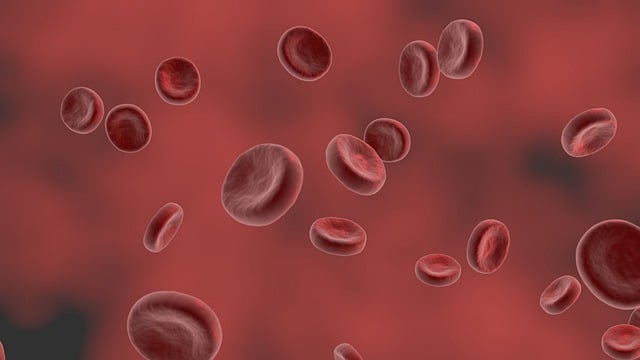
Iron deficiency anemia is a common blood disorder that occurs when your body doesn’t have enough healthy red blood cells to carry adequate oxygen to your tissues and organs. This condition can be caused by various factors, including iron-deficient diet, blood loss, and impaired absorption of iron in the gut. Symptoms may include fatigue, weakness, pale skin, shortness of breath, dizziness, and headaches. If left untreated, it can lead to more serious health complications.
One of the primary indicators of iron deficiency anemia is a simple Kidney Blood Test UK, which assesses your red blood cell count and hemoglobin levels. Hemoglobin is a protein in red blood cells that carries oxygen. A low hemoglobin level or a reduced red blood cell count may suggest iron deficiency. It’s important to consult with a healthcare professional if symptoms persist or if your test results indicate anemia, as early detection and treatment can prevent further health issues.
Kidney Blood Test UK: Common Procedures & Analysis
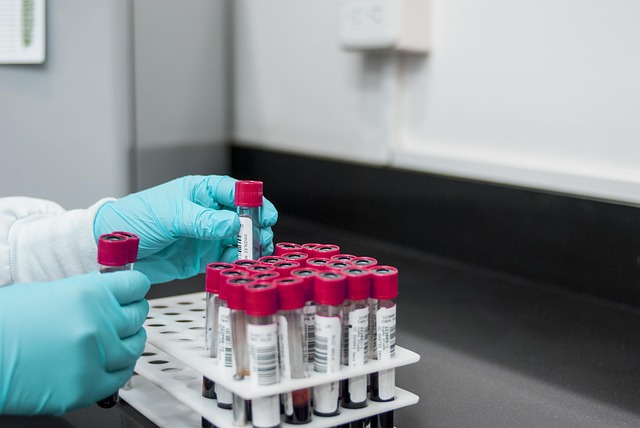
In the UK, kidney function is assessed through a common procedure known as the Kidney Blood Test. This test involves taking a blood sample to analyse various components that provide insights into kidney health. The analysis typically focuses on creatinine levels, which are an indicator of how well the kidneys are filtering waste from the bloodstream. A higher-than-normal creatinine level may suggest impaired kidney function.
The Kidney Blood Test UK is crucial for detecting early signs of kidney issues, including anemia, as it helps monitor red blood cell production and identifies deficiencies like iron deficiency anemia. By regularly checking these parameters, medical professionals can effectively manage and treat conditions affecting kidney health and ensure optimal patient outcomes.
Detecting Anemia: Interpretations of Lab Results
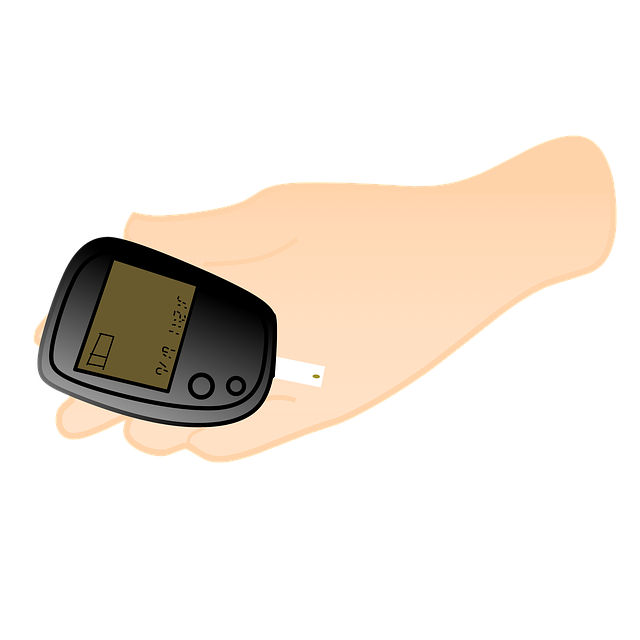
Detecting anemia begins with a simple kidney blood test UK, which evaluates red blood cells (RBCs) and their hemoglobin levels. Hemoglobin is a protein in RBCs that carries oxygen throughout the body. A lower-than-normal hemoglobin concentration suggests anemia. The interpretation of lab results involves comparing the patient’s values to established references, considering factors like age, gender, and overall health.
Doctors also assess the size and shape of red blood cells under a microscope during this process. An abnormally small or distorted RBC profile further indicates anemia. These findings enable healthcare professionals to make accurate diagnoses, tailor treatment plans, and monitor response effectively.
Iron deficiency anemia is a common yet manageable condition, and early detection through kidney blood tests UK can significantly improve outcomes. By understanding symptoms, causes, and interpreting lab results, individuals can take proactive steps to address iron levels and overall health. Regular check-ups and awareness are key to ensuring this often silent condition doesn’t go unnoticed.