
Kidney Blood Tests in the UK effectively screen for Vitamin B12 deficiency, common among older adults and those with specific health conditions. These tests detect elevated homocysteine and methylmalonic acid levels, potential indicators of absorption issues or conditions like pernicious anemia. Early detection through these tests is vital for preventing kidney damage (signified by high creatinine) and reduced kidney function (low eGFR), as well as facilitating timely treatment for Vitamin B12 deficiency.
Detecting vitamin B12 deficiency is crucial for maintaining overall health. This article guides you through the process, focusing on kidney blood tests in the UK as a key diagnostic tool. Understanding vitamin B12 deficiency symptoms and how they manifest in blood analysis is essential. We’ll delve into specific procedures, such as interpreting kidney blood tests in the UK, to ensure accurate diagnosis. Knowing when and how to get tested can help prevent severe health complications related to this often overlooked deficiency.
- Understanding Vitamin B12 Deficiency
- Interpreting Kidney Blood Tests in UK
- Diagnosing Deficiency Through Blood Analysis
Understanding Vitamin B12 Deficiency

Vitamin B12 deficiency is a common yet often overlooked health issue, especially in older adults and those with certain medical conditions. It occurs when the body doesn’t have enough vitamin B12, which is essential for maintaining healthy nerves and blood cells. A lack of this vital nutrient can lead to a range of symptoms, from fatigue and weakness to memory loss and balance problems.
In the UK, kidney blood tests are often used as a screening tool to detect B12 deficiency. These tests measure the levels of homocysteine and methylmalonic acid in the blood, which can indicate deficiencies in vitamin B12 or folate. Elevated levels of these substances may suggest a problem with absorption or an underlying condition that requires further investigation, such as pernicious anaemia, where the body doesn’t produce enough intrinsic factor to aid in B12 absorption. Early detection through kidney blood tests is crucial for preventing complications and ensuring prompt treatment.
Interpreting Kidney Blood Tests in UK
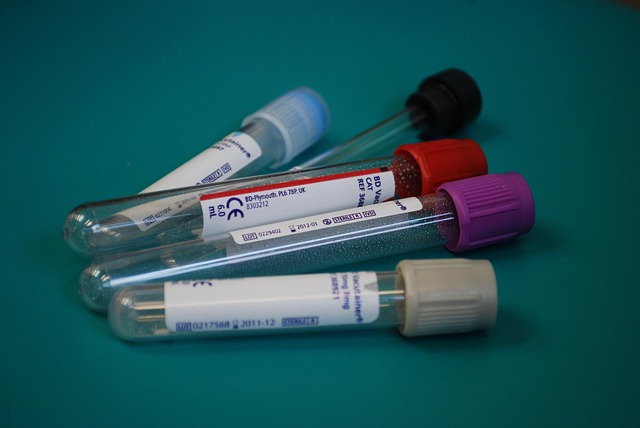
In the UK, Kidney Blood Tests are crucial for detecting vitamin B12 deficiency. These tests measure the levels of specific markers in your blood, providing vital information about kidney function and overall health. One key indicator is creatinine, a waste product normally filtered out by healthy kidneys. Elevated creatinine levels can suggest kidney damage or dysfunction, which may be further assessed through additional tests.
Another important metric is estimated glomerular filtration rate (eGFR). This calculation estimates how well your kidneys are filtering blood. A low eGFR correlates with reduced kidney function and could indicate the need for further investigation into potential vitamin B12 deficiency and its underlying causes, particularly when considered alongside other symptoms like fatigue, weakness, and neurological issues.
Diagnosing Deficiency Through Blood Analysis

Diagnosing a Vitamin B12 deficiency through blood analysis is a straightforward yet crucial step in determining nutritional health. A simple kidney blood test UK clinics often offer can reveal vital information about your B12 levels. This test typically measures the amount of vitamin B12 in your blood, providing a clear indication of whether you have a deficiency.
During the test, a healthcare professional will take a small sample of your blood and analyse it for B12 concentrations. Results below normal range suggest a potential deficiency, prompting further investigation to understand the underlying cause. This is essential as early detection can lead to timely interventions and prevent severe health complications associated with prolonged Vitamin B12 deficiency.
Vitamin B12 deficiency can often be overlooked, but with the right knowledge and testing methods, such as kidney blood tests in the UK, it’s detectable and treatable. By understanding the symptoms and utilizing blood analysis techniques, individuals can ensure optimal health and well-being. Remember, early detection through regular check-ups is key to preventing serious complications associated with B12 deficiency.