
Ferritin, a protein crucial for iron storage and transport in the body, is measured through a Kidney Blood Test UK to assess iron health. Low ferritin levels indicate iron deficiency, prompting medical interventions like dietary changes or supplements. This test is essential when symptoms like fatigue, breathlessness, dizziness, or poor appetite persist, aiding in early detection and timely management of iron deficiency. Interpreting ferritin results requires consultation with a healthcare professional for accurate diagnosis and tailored treatment based on individual needs.
“Iron deficiency is a common yet often overlooked health issue, especially in regions with limited access to nutritious food. Ferritin level testing plays a pivotal role in diagnosing this condition, as ferritin acts as the body’s iron storage protein. This article explores the intricacies of ferritin testing, focusing on the UK context. We’ll delve into ‘Understanding Ferritin,’ uncover ‘When to Get Tested,’ and provide a comprehensive guide on ‘Interpreting Results’ using Kidney Blood Test UK standards.”
- Understanding Ferritin: The Iron Storage Protein
- When to Get Tested for Iron Deficiency
- Interpreting Results: Kidney Blood Test UK Guide
Understanding Ferritin: The Iron Storage Protein

Ferritin is a protein that plays a crucial role in storing iron within our bodies. It acts as a protective buffer, ensuring a steady supply of this essential mineral for various physiological processes. This protein is particularly concentrated in certain organs, with significant amounts found in the liver and bone marrow. In fact, a kidney blood test UK often includes ferritin levels to assess iron storage capacity.
As a major component of red blood cells, ferritin is vital for transporting oxygen throughout our bodies. Its concentration in blood serves as an indicator of overall iron status. Low ferritin levels can signal iron deficiency, prompting medical professionals to recommend dietary changes or supplementation to restore optimal health.
When to Get Tested for Iron Deficiency

If you suspect you might be suffering from iron deficiency, it’s important to know when to get tested. While fatigue, weakness, and pale skin are common symptoms, these can also be indicative of other conditions. Therefore, a kidney blood test UK becomes crucial in accurately diagnosing iron deficiency anaemia. This simple procedure involves drawing a small sample of your blood to check ferritin levels, which can reveal the presence or absence of iron deficiency.
Consulting a healthcare professional is recommended if you experience persistent fatigue, shortness of breath, dizziness upon standing, or a poor appetite. They may suggest a kidney blood test UK as part of a routine check-up or if your symptoms persist despite making lifestyle changes like improving your diet. Remember, early detection through ferritin level testing can facilitate timely intervention and management of iron deficiency.
Interpreting Results: Kidney Blood Test UK Guide
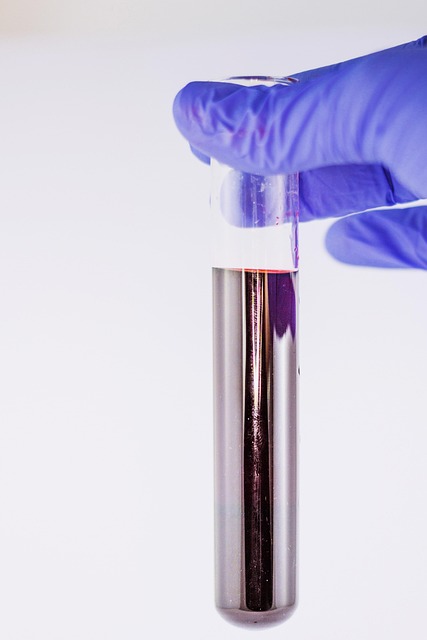
When it comes to interpreting ferritin level test results from a kidney blood test in the UK, understanding the numbers is key. Ferritin is a protein that stores iron in your body. A low ferritin level can indicate iron deficiency or anaemia. Generally, a normal range for adults is between 20-150 micrograms per millilitre (mcg/mL). However, this can vary slightly between labs.
In the UK, kidney blood tests often focus on assessing kidney function and health. If your ferritin levels are below the reference range, it could suggest potential issues such as chronic inflammation or blood loss. It’s important to discuss these results with a healthcare professional who can consider your medical history and overall picture to determine the next steps, which may include further tests or treatment options tailored to your specific situation.
Ferritin level testing is a crucial step in identifying iron deficiency, especially in the UK where kidney blood tests are readily accessible. Understanding ferritin as the body’s iron storage protein and knowing when to get tested can help individuals take proactive measures to address potential deficiencies. Interpreting test results, as guided by UK healthcare professionals, enables accurate diagnosis and timely treatment, ensuring optimal health outcomes.