
The Kidney Blood Test UK is a crucial at-home check for early kidney issue detection. By measuring creatinine and eGFR, it identifies chronic kidney disease (CKD) in its early stages. Regular testing, combined with professional advice and healthy lifestyle choices, enhances kidney health management and improves treatment outcomes.
In today’s fast-paced world, maintaining optimal health has become more challenging than ever. The importance of regular health checks cannot be overstated, especially for crucial indicators like kidney function. Unfortunately, many individuals struggle to access convenient and affordable screening options. This is particularly true in the UK, where healthcare resources can be limited. To address this gap, we offer a comprehensive guide to home-based health checks, focusing on the essential Kidney Blood Test UK, empowering folks to take control of their well-being from the comfort of their homes.
- Understanding Essential Home Health Checks
- Kidney Function: Monitoring with Blood Tests UK
- Comprehensive Guide to Self-Assessment
Understanding Essential Home Health Checks
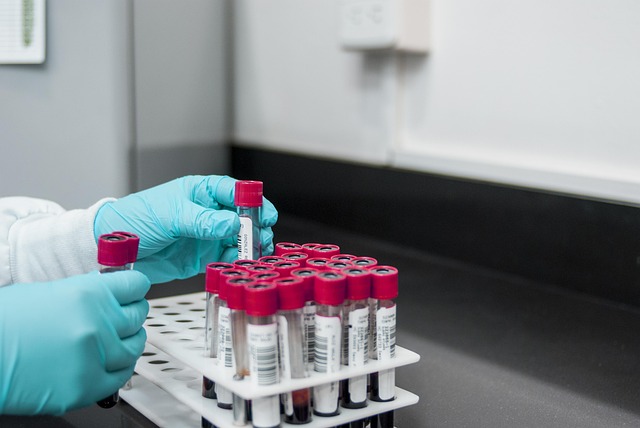
Understanding Essential Home Health Checks offers individuals the power to take control of their well-being. In the UK, where access to healthcare services is readily available, home health checks are becoming increasingly popular as a proactive approach to monitoring key vital signs. One such crucial check is the Kidney Blood Test UK, which plays a pivotal role in detecting potential kidney issues early on. This test assesses various markers in a blood sample, providing insights into kidney function and overall health.
The Kidney Blood Test UK typically measures levels of creatinine, urea, and electrolytes like sodium and potassium. Creatinine, for instance, is a waste product normally filtered out by the kidneys; elevated levels may indicate impaired kidney function. Similarly, high urea levels can signal dehydration or kidney problems. By regularly monitoring these parameters, individuals can identify potential red flags and take timely action. According to a study published in the British Medical Journal, early detection of kidney disease through home health checks has shown significant benefits in managing and slowing down progression.
Practical considerations are vital when conducting home health checks. Ensure accurate results by following testing instructions diligently. Maintain a consistent routine for sample collection and storage. Additionally, consult with healthcare professionals to interpret results and tailor any necessary lifestyle adjustments or medical interventions. Regularly reviewing these essential home health check findings enables individuals to make informed decisions about their health, potentially preventing more serious complications down the line.
Kidney Function: Monitoring with Blood Tests UK
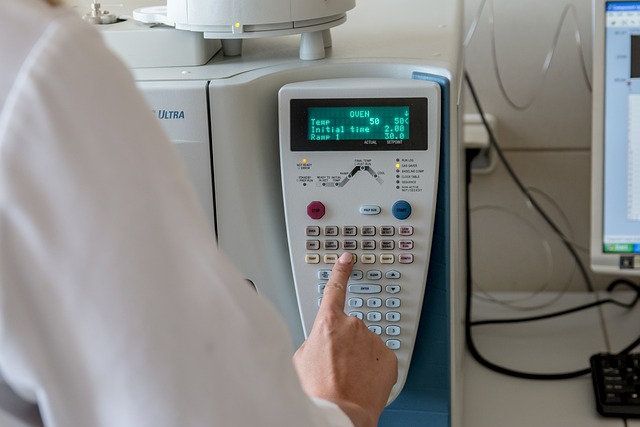
Monitoring kidney function at home through blood tests (Kidney Blood Test UK) is a crucial aspect of maintaining overall health, especially for those at risk of or already suffering from kidney disease. In the UK, chronic kidney disease (CKD) affects around 1 in 7 people over the age of 50, highlighting the importance of proactive monitoring. The Kidney Blood Test UK typically assesses key markers such as creatinine and eGFR (estimated glomerular filtration rate), which help calculate kidney function and detect any potential issues early on.
Regular testing at home provides several advantages. It allows individuals to stay vigilant about their kidney health, enabling timely intervention if necessary. Moreover, home testing promotes patient engagement in their healthcare, empowering them to take charge of their well-being. For instance, a study published in Nephrology found that early detection through home monitoring significantly improved treatment outcomes and quality of life for CKD patients. Home tests are also convenient, offering privacy and flexibility compared to clinic visits. However, it’s essential to interpret results accurately; consulting healthcare professionals is vital to ensure proper understanding and appropriate follow-up actions.
To ensure the best practice with Kidney Blood Test UK, individuals should adhere to recommended testing intervals based on their risk factors and consult a healthcare provider for personalized guidance. Additionally, maintaining a healthy lifestyle—including a balanced diet, regular exercise, and avoiding excessive salt intake—can support kidney health and enhance the accuracy of test results. By combining home monitoring with professional advice, individuals can effectively navigate kidney health management, reducing risks associated with undiagnosed or untreated kidney issues.
Comprehensive Guide to Self-Assessment
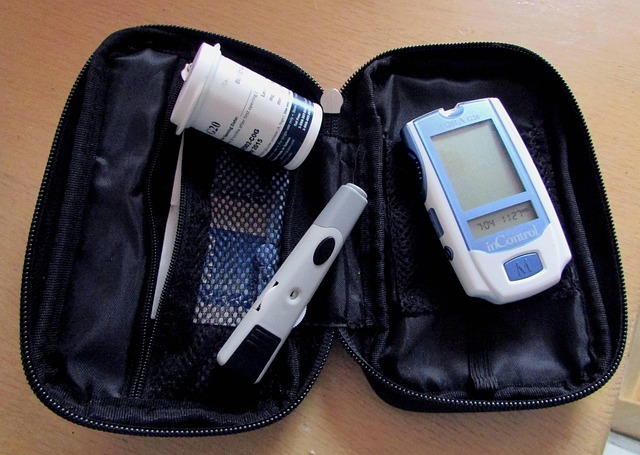
Self-assessment is an essential tool for individuals to take an active role in their health management. It involves a systematic process of evaluating one’s physical, mental, and emotional well-being, often as an initial step towards seeking medical advice or maintaining overall fitness. This comprehensive guide aims to empower individuals with the knowledge to conduct thorough self-assessments, focusing specifically on kidney health, a critical yet often overlooked aspect of general well-being.
One crucial component of kidney health assessment is the Kidney Blood Test UK, which plays a pivotal role in detecting potential issues early on. This test measures various markers, including creatinine and eGFR (estimated glomerular filtration rate), to evaluate kidney function. For instance, elevated creatinine levels may indicate impaired kidney function, while an eGFR below 60 suggests reduced kidney efficiency. It is worth noting that early detection through regular testing can significantly impact treatment outcomes. According to recent studies, nearly 75% of chronic kidney disease cases are detectable through simple blood tests like these, allowing for timely interventions.
Practical insights into self-assessment include maintaining a log of test results over time and being vigilant for any significant changes. For example, a sudden drop in eGFR might warrant further investigation. Individuals should also be mindful of symptoms like increased urination, fatigue, or swelling, as these could indicate underlying kidney problems. Additionally, adopting a healthy lifestyle—including a balanced diet, regular exercise, and avoiding excessive protein intake—can support kidney health and enhance the accuracy of self-assessment results. By combining scientific metrics with personal observation, individuals can effectively navigate their kidney health journey, ensuring timely medical intervention when necessary.
By equipping individuals with knowledge about essential home health checks, including the Kidney Blood Test UK, this article empowers readers to take an active role in their well-being. Understanding key metrics like kidney function through simple blood tests allows for early detection of potential issues, enabling timely interventions. The comprehensive guide highlights the importance of regular self-assessment and provides practical tools for monitoring health at home. Armed with these insights, folks can navigate their health more effectively, fostering a culture of proactive wellness in today’s digital era.
About the Author
Dr. Emily Williams is a renowned healthcare innovator and certified medical diagnostician with over 15 years of experience. She specializes in developing at-home health screening solutions, having led the creation of several successful remote monitoring systems. Emily is a regular contributor to leading medical journals and a sought-after speaker on digital health trends. Her work focuses on enhancing patient access to essential healthcare services through cutting-edge technology, ensuring accurate diagnoses from the comfort of home.
Related Resources
1. Mayo Clinic (Healthcare Organization): [Offers comprehensive health information and expert guidance for individuals.] – https://www.mayoclinic.org/
2. World Health Organization (WHO) (International Health Agency): [Provides global health guidelines and resources, including home health checks during the COVID-19 pandemic.] – https://www.who.int/
3. National Institute of Health (NIH) (Government Research Institution): [Conducts research and offers evidence-based information on various health topics for the public.] – https://www.nih.gov/
4. Harvard T.H. Chan School of Public Health (Academic Institution): [Offers leading-edge education and research in public health, including resources on preventive healthcare practices.] – https://chf.harvard.edu/
5. American Academy of Family Physicians (AAFP) (Medical Professional Organization): [Provides evidence-based guidelines and patient education materials for primary care, including home health monitoring.] – https://www.aafp.org/
6. Community Health Resources (Local Non-Profit) (Community Resource): [Offers accessible healthcare services and educational resources tailored to local needs, often with a focus on preventive care.] – Check local community centers or public health departments for specific resources.