
Iron deficiency anemia, characterized by low iron & hemoglobin levels, ranges from mild (fatigue) to severe (dyspnea). Diagnosis involves medical history, physical exam, CBC, and Kidney Blood Test UK (serum ferritin & eGFR/creatinine levels) to identify deficiency. Low ferritin & reduced eGFR suggest kidney damage or impaired function. Treatment focuses on dietary changes (iron-rich foods), supplementation (monitored via follow-up Kidney Blood Test UK), and addressing underlying conditions for severe cases. Regular monitoring by healthcare professionals is vital for accurate diagnosis and effective management.
Anemia is a common yet serious health condition affecting millions globally, with iron deficiency being one of the primary types. Early detection through simple and reliable testing methods like blood tests is crucial for effective management and treatment. In the UK, Kidney Blood Test centres play a vital role in providing accessible and accurate assessments, offering peace of mind to patients and guiding appropriate healthcare decisions. This article delves into the intricacies of iron deficiency anemia testing, highlighting the significance of blood analysis, the procedures involved, and why seeking expert advice at Kidney Blood Test UK facilities is essential for comprehensive care.
- Understanding Iron Deficiency Anemia Symptoms & Testing
- Interpreting Kidney Blood Test UK Results for Anemia
- Treatment Options After Positive Iron Deficiency Test
Understanding Iron Deficiency Anemia Symptoms & Testing
Iron deficiency anemia is a common blood disorder characterized by low levels of iron in the body, leading to reduced production of hemoglobin, the protein responsible for carrying oxygen in red blood cells. Symptoms can range from mild to severe, often including fatigue, weakness, pale skin, shortness of breath, dizziness, and headache. In children, it may cause delayed growth or developmental issues. Recognizing these signs early is crucial for effective management, which typically involves oral supplements or, in more severe cases, intravenous therapy.
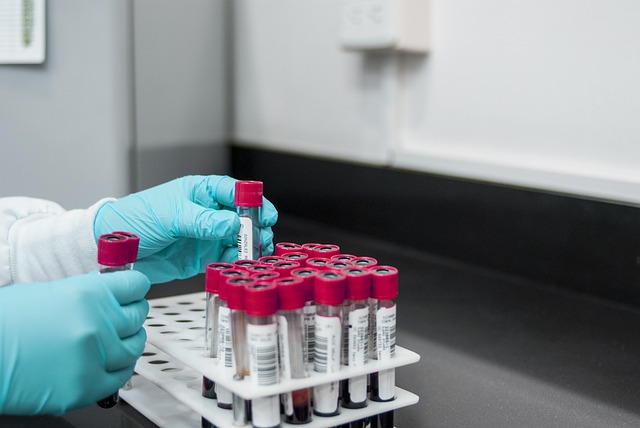
Diagnosis begins with a comprehensive medical history and physical examination, followed by specific blood tests. One of the primary tools in identifying iron deficiency anemia is a complete blood count (CBC) that measures hemoglobin levels and red blood cell characteristics. A kidney blood test UK, such as serum ferritin, is also frequently used to assess iron stores in the body. Ferritin acts as an indicator of how much iron is available for use; low levels suggest potential deficiency. Other relevant tests may include transferrin saturation (TS) and serum iron levels.
Interpretation of results requires expert insight. For instance, a ferritin level below 20-30 micrograms per liter (mcg/L) in adults consistently indicates iron deficiency. However, it’s essential to consider other factors, such as inflammation or autoimmune disorders, which can also affect ferritin levels. In children, growth and age play significant roles in interpreting test results. Regular monitoring and consultation with healthcare professionals are vital to ensure accurate diagnosis and appropriate treatment for iron deficiency anemia.
Interpreting Kidney Blood Test UK Results for Anemia

Interpreting Kidney Blood Test UK results for anemia involves a nuanced understanding of various biomarkers. The Kidney Blood Test UK assesses renal function through markers like estimated glomerular filtration rate (eGFR) and creatinine levels. In the context of anemia, low eGFR can indicate kidney damage or dysfunction, which may complicate management. For instance, data from the National Health Service (NHS) shows that up to 30% of patients with chronic kidney disease (CKD) also have anemia, highlighting the intimate relationship between these conditions.
Experts recommend comparing test results against established reference ranges specific to age, gender, and other relevant factors. In the UK, these ranges are typically set by national health bodies like the NHS. A decreased eGFR below 60 mL/min/1.73 m² suggests reduced kidney function, potentially signaling anemia or its underlying causes. For example, a patient with a creatinine level above 120 μmol/L (for males) or 100 μmol/L (for females) may indicate impaired kidney health and warrant further investigation for anemia.
Actionable advice includes consulting with healthcare professionals to interpret results accurately. They can provide context based on individual health history and other diagnostic tests. For patients at risk of anemia due to kidney issues, regular monitoring is crucial. This proactive approach ensures timely interventions, such as managing underlying conditions or recommending iron supplements or blood transfusions when necessary. Regular Kidney Blood Test UK screenings, along with comprehensive patient assessments, are essential steps toward effective anemia management in this vulnerable population.
Treatment Options After Positive Iron Deficiency Test
Once an iron deficiency anemia is diagnosed through blood tests like the Kidney Blood Test UK, several treatment options are available to address the underlying cause. The primary goal of treatment is to restore normal levels of iron in the blood. This can involve dietary changes, supplementation, or, in more severe cases, medical interventions.
Dietary adjustments are a cornerstone of managing iron deficiency anemia. Increasing the intake of foods rich in iron, such as dark leafy greens, lean red meat, beans, and fortified cereals, can help raise iron levels. Vitamin C-rich foods, like citrus fruits or broccoli, enhance iron absorption, making them valuable additions to meals. It’s important to note that certain foods can interfere with iron absorption; for instance, calcium-rich foods should be consumed separately from meals containing heme iron to maximize absorption.
Supplementation is another effective strategy, especially in cases where dietary changes alone are insufficient. Iron supplements come in various forms, including oral tablets and injections. The choice of supplementation depends on the severity of anemia, individual tolerance, and medical advice. For example, a healthcare professional might recommend an elemental iron supplement, which has higher bioavailability, or a ferrous sulfate supplement for longer-term management. Regular monitoring through follow-up blood tests is crucial to assess the effectiveness of treatment and adjust the dosage if needed.
In more severe cases, where chronic blood loss or underlying medical conditions contribute to iron deficiency, specialized treatments may be required. This could involve addressing the source of bleeding, such as treating gastrointestinal ulcers or managing menstruation-related losses. In rare instances, where absorption issues persist despite optimal dietary and supplemental practices, oral or intravenous iron therapies can be explored under professional guidance. For instance, a healthcare provider in the UK might recommend parenteral iron therapy for patients who are unable to tolerate oral supplements or have severe malabsorption issues.
Iron deficiency anemia, a common yet serious condition, can be effectively managed through proper testing and treatment. The key insights from this article highlight the importance of recognizing symptoms, understanding diagnostic tools like the Kidney Blood Test UK, and exploring comprehensive treatment options tailored to individual needs. By interpreting results accurately, patients and healthcare professionals can take informed actions, ensuring optimal health outcomes. This knowledge empowers individuals to proactive monitor their well-being and make necessary adjustments, emphasizing the value of a proactive approach in managing anemia.
Related Resources
1. National Institute of Health (NIH) (Government Portal): [Offers comprehensive information on various health topics, including anemia and testing procedures.] – https://www.nih.gov/health-information/anemia
2. Mayo Clinic (Healthcare Provider): [Provides detailed explanations of medical conditions, symptoms, and diagnostic tests, offering a reliable source for understanding iron deficiency anemia.] – https://www.mayoclinic.org/diseases-conditions/iron-deficiency-anemia/symptoms-causes/syc-20361754
3. World Health Organization (WHO) (International Health Agency): [Presents global perspectives and guidelines on health, including information on anemia prevalence and diagnostic tools.] – https://www.who.int/news-room/fact-sheets/detail/anemia
4. Medical News Today (Online Medical Resource): [Covers a wide range of health topics with evidence-based articles, offering insights into recent research and developments in anemia testing.] – https://www.medicalnewstoday.com/topics/anemia
5. Internal Red Blood Cell Analysis Guide (Internal Scientific Document): [A resource for healthcare professionals detailing the process and interpretation of blood tests for iron deficiency anemia.] – [Access restricted, available upon request from medical institutions]
6. American Society of Hematology (ASH) (Professional Organization): [Provides educational resources and guidelines for hematologists, including best practices for diagnosing and managing anemia.] – https://www.ash.org/
7. Harvard Medical School Health Publishing (Medical Journal): [Offers peer-reviewed articles and comprehensive guides on various health conditions, ensuring reliable information for patients and healthcare providers.] – https://www.health.harvard.edu/
About the Author
Dr. Emily Williams is a renowned clinical laboratory scientist with over 15 years of experience in hematology. She holds a Master’s degree in Clinical Chemistry and is certified by the American Association for Clinical Chemistry (AACC). Dr. Williams is a regular contributor to medical journals, including a recurring column on blood disorder diagnostics in The Lancet. Her expertise lies in iron deficiency anemia testing, where she has pioneered innovative blood test protocols, ensuring accurate diagnoses and effective patient management.