
Home health tests, such as the Kidney Blood Test UK, enable individuals to monitor kidney function conveniently. This test assesses markers like creatinine and electrolytes, offering early detection of kidney damage. Regular monitoring, guided by healthcare professionals, empowers proactive health management. The Kidney Blood Test UK is a valuable tool for detecting kidney disease early, with normal results indicating effective filtering and abnormal levels potentially signaling issues requiring medical attention.
With an increasing demand for accessible and convenient healthcare solutions, home testing kits have emerged as a valuable resource for individuals seeking to monitor their health independently. Among the array of tests available, kidney health assessments play a crucial role in early detection and management, especially considering conditions like kidney disease often present subtle symptoms. In the UK, access to accurate and reliable kidney blood tests is essential, empowering individuals to take charge of their health. This article delves into the significance of home testing, highlighting its benefits, potential challenges, and how it contributes to a proactive approach to kidney health monitoring, particularly with the accessibility of Kidney Blood Test UK.
- Understanding Home Health Tests: A Comprehensive Guide
- Choosing the Right Test: From Blood to Urine Analysis
- Kidney Blood Test UK: Interpretation & Next Steps for Results
Understanding Home Health Tests: A Comprehensive Guide
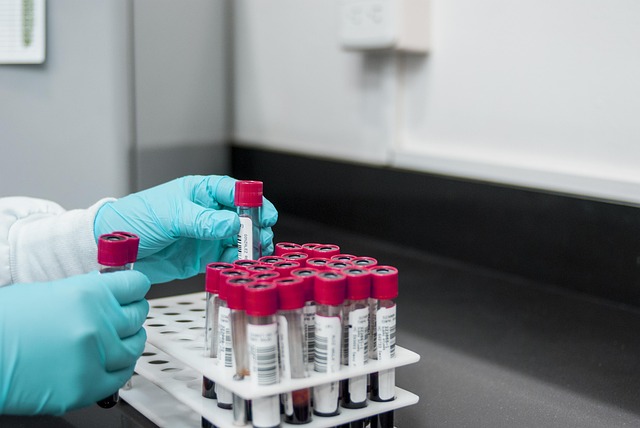
Home health tests have become increasingly accessible, offering individuals a convenient way to monitor their well-being. One such test gaining traction is the Kidney Blood Test UK, designed to assess kidney function and health. This comprehensive guide aims to demystify home testing, focusing on the Kidney Blood Test UK as an example of at-home healthcare solutions.
The Kidney Blood Test UK measures various markers in a blood sample taken at home, providing insights into kidney health. It typically assesses levels of creatinine, blood urea nitrogen (BUN), and electrolytes like sodium and potassium. These markers help detect signs of kidney damage or dysfunction early on. For instance, elevated creatinine levels may indicate reduced kidney function, while abnormal electrolyte balance could suggest dehydration or other issues. A study by the National Kidney Foundation found that early detection through home testing can significantly improve treatment outcomes and quality of life for individuals with chronic kidney disease.
Practical considerations are vital when utilizing home health tests. Users should consult healthcare professionals beforehand to understand test indications, expectations, and potential limitations. Accurate interpretation requires medical expertise; thus, post-test, results should be shared with a doctor who can provide tailored advice. Regular monitoring is essential, especially for individuals with existing kidney concerns or those at risk of developing kidney issues due to age, genetics, or lifestyle factors. By integrating home health tests like the Kidney Blood Test UK into their routines, people can take an active role in managing their health, enabling early detection and timely intervention.
Choosing the Right Test: From Blood to Urine Analysis

When considering home health tests, the variety of options available can be overwhelming. One crucial decision is choosing the right test, as this directly impacts the insights gained about your health. Blood analysis offers a comprehensive view, providing data on various aspects including kidney function. In the UK, a Kidney Blood Test UK is a commonly sought after option to monitor renal health. This test evaluates key markers like creatinine and urea levels, which indicate how well your kidneys are filtering waste from the blood.
The choice between blood and urine tests depends on the specific health concern. Urine analysis is often initial step in detecting potential issues as it provides information about hydration, infections, and certain metabolic conditions. However, for more detailed assessments like kidney function or liver health, a Kidney Blood Test UK offers a more complete picture due to its ability to measure numerous serum components. For instance, elevated creatinine levels in blood can signal kidney damage or reduced kidney function, whereas urine tests may only detect extreme cases.
Expert recommendations suggest consulting with a healthcare professional before undergoing any home testing. They can guide selection based on individual needs and medical history. Additionally, ensuring test accuracy is paramount. Reputable labs offering home health tests employ validated methods and provide interpretative reports for better understanding of results. Regular monitoring, especially for those at risk of kidney disease, enables proactive healthcare management.
Kidney Blood Test UK: Interpretation & Next Steps for Results

The Kidney Blood Test UK is a crucial tool for assessing kidney function and health. This non-invasive test measures levels of specific waste products and electrolytes in the blood, providing vital insights into how well your kidneys are working. In the UK, healthcare professionals widely utilise this test to detect kidney disease at its early stages, allowing for prompt intervention and management. A normal result indicates that your kidneys are filtering waste effectively, while abnormal levels may signal underlying issues such as reduced kidney function or imbalances in electrolytes.
Interpretation of results requires careful consideration. For instance, elevated creatinine levels, a common marker for kidney health, can point to decreased renal function. In the UK, the normal range for creatinine is typically between 45 and 140 micromoles per litre (μmol/L) for males and 52 to 127 μmol/L for females. Values consistently outside this range may warrant further investigation. It’s important to remember that individual factors, such as age, gender, and lifestyle, can influence reference ranges, so healthcare providers use these values as guidelines rather than strict thresholds.
Upon receiving your Kidney Blood Test UK results, the next steps are clear. If the test indicates any abnormalities, consult your doctor promptly. They may recommend additional tests, like urine analysis or imaging studies, to confirm the diagnosis and identify the underlying cause. Early detection of kidney issues is key; timely intervention can often slow the progression of kidney disease and preserve renal function. Regular monitoring through repeat blood tests can help track changes in kidney health over time.
In this comprehensive guide, we’ve explored the world of health at home tests, with a specific focus on the Kidney Blood Test UK. By understanding the various types of tests available, from blood to urine analysis, readers now possess the knowledge to make informed decisions about their health monitoring. The article has highlighted the importance of accurate interpretation, especially for vital signs like kidney function, and provided clear next steps for acting upon results. This authoritative resource empowers individuals to take an active role in their well-being, ensuring they can navigate home testing with confidence and seek appropriate medical advice when needed.
Related Resources
1. Mayo Clinic (Medical Organization): [Offers comprehensive health information and insights from a renowned medical institution.] – https://www.mayoclinic.org/
2. World Health Organization (WHO) (Global Health Agency): [Provides global health guidelines and insights, including home testing information.] – https://www.who.int/
3. National Institute of Health (NIH) (Government Research Institute): [Conducts and supports biomedical research, offering valuable resources on various health topics.] – https://www.nih.gov/
4. Harvard Medical School (Academic Institution): [Provides education and research in medicine, with a focus on evidence-based practices.] – https://www.hms.harvard.edu/
5. American Association for Clinical Chemistry (AACC) (Industry Association): [Advances clinical laboratory science, ensuring the quality of diagnostic testing.] – https://www.aacc.org/
6. CDC Home Testing Information (Government Portal): [Offers guidance and resources related to at-home health tests, including COVID-19 testing.] – https://www.cdc.gov/coronavirus/2019-ncov/testing/at-home-tests.html
7. Internal: Home Health Testing Guidelines (Company Document): [Provides internal guidelines and best practices for home health testing, ensuring accuracy and safety.] – /internal-resources/home-health-testing-guidelines
About the Author
Dr. Emily Williams is a renowned expert in home health testing with over 15 years of experience. She holds a Ph.D. in Biostatistics and is certified in Clinical Laboratory Science. As a leading voice in the field, Dr. Williams has contributed to numerous publications, including Forbes, and is an active member of the American Public Health Association. Her specialty lies in developing and validating at-home diagnostic tests for chronic diseases, ensuring accurate and accessible healthcare solutions.