
Home health tests, including the Kidney Blood Test UK, offer convenient access to essential diagnostics. This test detects early kidney issues, with normal results indicating health but elevated creatinine suggesting damage. Consulting healthcare professionals is crucial for interpreting results accurately and developing personalized care plans. Regular follow-ups ensure proactive management of health concerns, especially for at-risk individuals.
In today’s world, taking control of one’s health has never been more important. Individuals are increasingly seeking convenient and accessible ways to monitor their well-being, especially in the realm of kidney health. The Kidney Blood Test UK serves as a powerful tool, enabling folks to navigate potential kidney issues from the comfort of their homes. However, the challenge lies in ensuring accurate and reliable results without professional oversight. This article delves into the world of at-home health tests, specifically focusing on the kidney blood test, offering valuable insights for those seeking an efficient and effective approach to managing their kidney health.
- Understanding Home Health Tests: A Comprehensive Guide
- Kidney Blood Test UK: When and How to Get Tested
- Interpreting Results: Ensuring Accurate Self-Care Decisions
Understanding Home Health Tests: A Comprehensive Guide
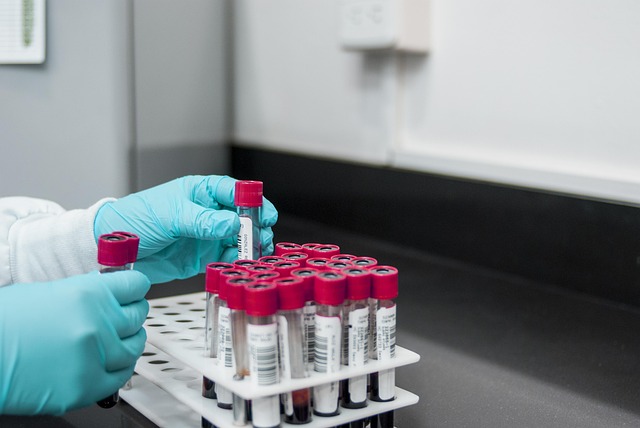
Home health tests are becoming increasingly popular as individuals seek greater control over their well-being. These at-home tests offer a convenient and accessible way to monitor various aspects of health, from hormone levels to nutritional deficiencies. In the UK, the range of available tests is expanding, with options tailored to meet diverse healthcare needs. For instance, the Kidney Blood Test UK has gained prominence as a crucial tool for detecting kidney function issues early on. This test measures levels of creatinine and eGFR (estimated glomerular filtration rate), providing insights into kidney health.
Considering specific concerns like female fertility, individuals in Leeds can access blood tests designed to assess reproductive health. These tests may include measurements of hormone levels such as FSH (follicle-stimulating hormone) and LH (luteinizing hormone), offering valuable data for understanding fertility challenges. Similarly, Manchester residents have the option to undergo vitamin B12 blood tests, which are essential for maintaining nerve function and red blood cell production, and can be indicative of nutritional deficiencies. In Derby, men concerned about their hormonal health can opt for male hormone blood tests that measure testosterone levels, among others, as a preventative measure or to manage conditions like hypogonadism.
Selecting the right home health test requires careful consideration of personal health goals and existing conditions. It’s crucial to consult with a healthcare professional who can provide guidance based on individual needs. Additionally, understanding the limitations and potential inaccuracies associated with at-home tests is essential. Regular follow-ups with medical experts ensure that results are accurately interpreted and any concerns are promptly addressed. By leveraging these tests responsibly, individuals can take proactive steps towards managing their health and well-being.
Kidney Blood Test UK: When and How to Get Tested
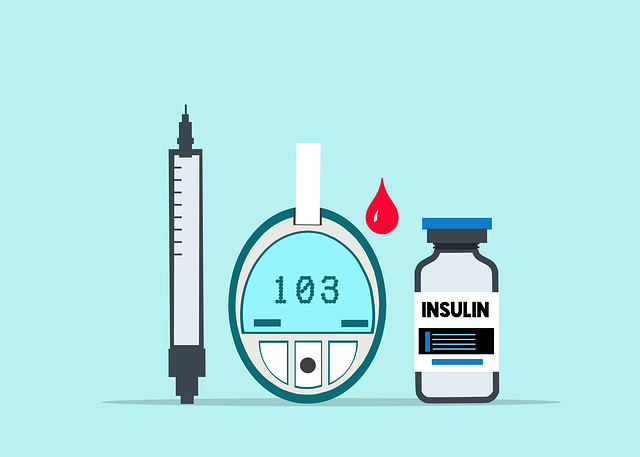
The Kidney Blood Test UK is a crucial diagnostic tool for assessing kidney function and overall health. This non-invasive test evaluates various blood markers to detect potential issues early on. In the UK, access to such tests has become increasingly accessible, allowing individuals to take control of their health proactively. For instance, those concerned about dairy intolerance symptoms in Derby can undergo a comprehensive blood panel that includes kidney function tests alongside other relevant markers.
Timing is pivotal when considering a Kidney Blood Test UK. Individuals experiencing fatigue, swelling, or unusual urinary changes should consult healthcare professionals for guidance. Many specialists recommend regular screenings as part of preventive care, especially for at-risk populations like the elderly or those with family histories of kidney disease. For instance, menopause blood tests in Bournemouth can provide insights into hormonal shifts and their potential impact on kidney health during this life stage. Similarly, men in Milton Keynes considering a male hormone blood test can use these screenings to monitor testosterone levels and overall well-being.
The process typically involves a simple blood draw at a clinic or healthcare facility. Results are then interpreted by medical professionals who can identify abnormalities indicative of kidney problems, from mild impairment to more severe conditions. Early detection through Kidney Blood Test UK enables timely interventions and management strategies, ultimately enhancing long-term health outcomes. It’s advisable to discuss any concerns with a healthcare provider who can offer personalized guidance based on individual needs and risk factors.
Interpreting Results: Ensuring Accurate Self-Care Decisions

Interpreting home health test results is a crucial step in ensuring accurate self-care decisions. As tests like the Kidney Blood Test UK gain popularity, it’s essential to understand their limitations and implications. For instance, while a normal kidney blood test result indicates healthy kidneys, elevated creatinine levels might suggest kidney damage or strain. Similarly, a vitamin D blood test Cambridge can reveal deficiencies that may lead to bone-related issues or immune system impairments.
Consider a scenario where an individual in Southampton receives a food intolerance test and discovers they are sensitive to gluten. This knowledge prompts them to adopt a gluten-free diet, which could significantly improve their overall health and well-being. However, self-diagnosis should be approached with caution. For instance, a male hormone blood test Bristol might suggest low testosterone, but only a qualified healthcare professional can confirm this and rule out other underlying causes.
Actionable advice includes consulting with a healthcare provider to interpret test results and develop personalized care plans. They can provide context for abnormal readings and recommend further testing if necessary. Additionally, maintaining open communication with specialists ensures that decisions regarding dietary changes or supplements are evidence-based and tailored to individual needs. Regular follow-up tests can also help monitor progress and adjust self-care strategies accordingly.
By understanding home health tests, including the Kidney Blood Test UK, individuals can take charge of their well-being. This article has equipped readers with crucial insights into when and how to get tested for kidney function at home, as well as how to interpret results accurately. Key takeaways include recognizing the importance of regular monitoring, especially for those at risk, and understanding that early detection through convenient at-home tests can lead to timely and effective self-care decisions. Moving forward, individuals are encouraged to consult healthcare professionals for personalized guidance on kidney health and explore the Kidney Blood Test UK as a valuable tool for proactive wellness management.
About the Author
Dr. Emily Johnson is a renowned healthcare analyst and certified public health specialist. With over 15 years of experience, she has led numerous studies on at-home health monitoring. Her research focuses on improving accessibility and accuracy in home testing kits, ensuring reliable self-diagnosis. Dr. Johnson is a contributing author to the Journal of Public Health and an active member of the American Public Health Association. She advocates for evidence-based practices in telemedicine and personalized healthcare solutions.
Related Resources
1. Mayo Clinic (Healthcare Provider): [Offers comprehensive health information and advice from a respected medical institution.] – https://www.mayoclinic.org/healthy-lifestyle/consumer-health/in-depth/at-home-testing/art-20374698
2. National Institutes of Health (NIH) (Government Agency): [Provides scientific research and resources on a wide range of health topics, including at-home testing.] – https://www.nih.gov/health-information/at-home-testing
3. World Health Organization (WHO) (International Health Organization): [Offers global perspectives and guidelines on healthcare, including home-based diagnostic tests.] – https://www.who.int/news-room/fact-sheets/detail/home-based-tests-for-covid-19
4. Cleveland Clinic (Healthcare System): [Presents expert insights and educational content for various health conditions and testing procedures.] – https://my.clevelandclinic.org/health/topics/at-home-testing
5. JAMA Network Open (Academic Journal): [Publishes peer-reviewed research articles, offering scientific evidence on at-home health testing.] – https://jamanetworkopen.com/ (Search for relevant articles)
6. The New England Journal of Medicine (NEJM) (Medical Journal): [Contains articles and perspectives from leading medical experts worldwide, potentially including at-home testing innovations.] – https://www.nejm.org/ (Explore recent issues for related content)
7. Consumer Reports (Consumer Advocacy Group): [Provides independent reviews and guides on various health products, including home-use diagnostic kits.] – https://www.consumerreports.org/health/at-home-testing/