
The Kidney Blood Test UK is a non-invasive method to assess testosterone levels, crucial for male health, aiding in diagnosing conditions like hypogonadism and chronic kidney disease. Normal ranges vary with age, peaking in early adulthood. Levels below 9.7 nmol/L (350 ng/dL) for males over 40 may indicate issues. Medical professionals use this test to guide treatment, including hormone replacement, for hormonal imbalances and associated symptoms.
Testosterone plays a pivotal role in male health, influencing everything from muscle mass and strength to bone density and libido. However, imbalances can lead to significant issues, such as low testosterone (hypogonadism), affecting energy levels, mood, and overall well-being. Accurately diagnosing these conditions requires a comprehensive understanding of hormone regulation, making testosterone level testing an indispensable tool. In the UK, Kidney Blood Test UK stands out as a trusted resource, offering advanced diagnostic services with precise results, empowering healthcare professionals to develop tailored treatment plans for their male patients.
- Understanding Testosterone: The Hormone & Its Role in Male Health
- Kidney Blood Test UK: Evaluating Testosterone Levels Accurately
- Interpreting Results: Identifying Potential Health Issues with Testosterone
Understanding Testosterone: The Hormone & Its Role in Male Health

Testosterone is a key hormone that plays a multifaceted role in male health and well-being. Secreted primarily by the testicles, it is often considered the primary sex hormone in men, driving various physiological processes, including muscle mass development, bone density maintenance, red blood cell production, and libido. Understanding the intricacies of this hormone is crucial for effectively addressing male health issues, as imbalances can manifest in diverse symptoms ranging from fatigue and depression to significant physical deteriorations.
In the context of the UK, where healthcare systems prioritize evidence-based practices, a Kidney Blood Test (a comprehensive metabolic panel) has emerged as a valuable tool for assessing testosterone levels. This non-invasive procedure measures various biomarkers, including total testosterone, providing doctors with critical insights into an individual’s hormonal health. A normal kidney blood test result in men typically indicates adequate testosterone levels, while deviations can signal underlying problems such as hypogonadism (low testosterone) or chronic medical conditions affecting hormone production. For instance, data from the UK National Health Service reveals that low testosterone is a significant concern among older men, with prevalence rates rising with age, underscoring the importance of regular screening.
Actionable advice for maintaining optimal testosterone levels includes adopting a balanced diet rich in zinc, vitamin D, and healthy fats, engaging in regular physical activity, especially resistance training, managing stress through techniques like mindfulness or yoga, and avoiding prolonged exposure to environmental toxins. Additionally, addressing any underlying medical conditions that might affect hormone production, such as kidney or thyroid disorders, is vital for maintaining testosterone balance. By combining these strategies with the strategic use of diagnostic tools like the kidney blood test in the UK, men can proactively manage their hormonal health and mitigate potential issues early on.
Kidney Blood Test UK: Evaluating Testosterone Levels Accurately
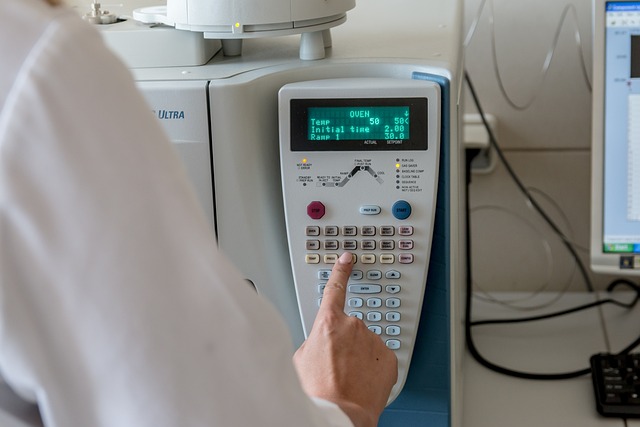
The Kidney Blood Test UK plays a pivotal role in accurately evaluating testosterone levels for men seeking health assessments. This test, which measures the concentration of testosterone in the blood, is particularly crucial for identifying potential issues related to low testosterone (hypogonadism) or abnormal variations. In the UK, healthcare professionals rely on this specific type of blood test to gain valuable insights into male reproductive health and overall well-being.
For instance, a study published in The Journal of Clinical Endocrinology & Metabolism analyzed the diagnostic accuracy of various testosterone testing methods, including the Kidney Blood Test UK. The findings highlighted its consistent performance in detecting hypogonadism, making it a preferred choice for clinical settings. This test is especially useful as it provides a non-invasive approach, requiring only a simple blood sample, which is then analyzed using advanced laboratory techniques. By assessing testosterone levels, healthcare providers can make informed decisions about subsequent treatments or referrals to specialists.
Accurate testing is essential in managing conditions like chronic kidney disease, where fluctuations in hormone levels may occur. The Kidney Blood Test UK offers a reliable method to monitor and track these changes, enabling healthcare experts to tailor treatment plans accordingly. Furthermore, this test provides a baseline measurement for men experiencing symptoms such as decreased muscle mass, fatigue, or sexual dysfunction, aiding in the early detection and management of underlying hormonal imbalances. Regular monitoring through this test can significantly impact the effectiveness of treatment strategies over time.
Interpreting Results: Identifying Potential Health Issues with Testosterone
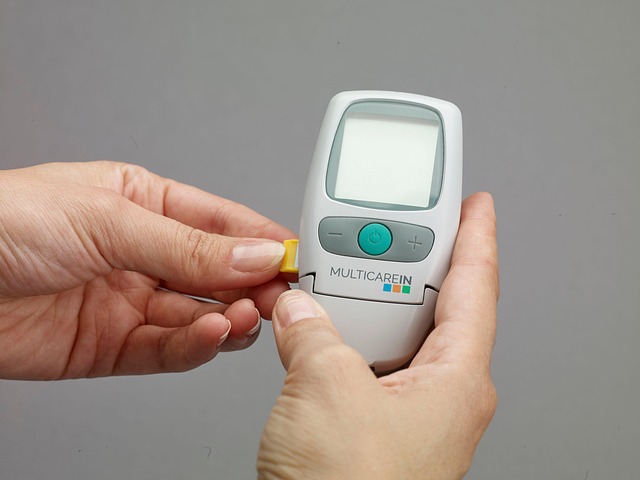
When interpreting testosterone level results from a Kidney Blood Test UK, it’s crucial to understand that normal ranges vary based on age and individual factors. Levels typically peak in early adulthood, with men aged 20-30 years often showing higher readings. A typical reference range might start at around 9.7 nmol/L (350 ng/dL) for males over 40, but this can differ between labs. Interpreting results accurately involves more than just looking at numbers; it requires considering trends and comparing them to established norms.
For instance, a man in his late 50s with a testosterone level of 7 nmol/L (268 ng/dL) might not immediately appear concerning. However, if this is a significant drop from previous readings or he exhibits symptoms like decreased muscle mass, fatigue, and low libido, further investigation becomes necessary. Many factors can influence testosterone levels, including medical conditions like hypothyroidism, chronic illnesses, and certain medications. Renal function, in particular, plays a vital role; impaired kidney health can impact hormone production and metabolism.
Actionable advice includes consulting with healthcare professionals to discuss results and symptoms. They may recommend additional tests or specific imaging scans, such as ultrasound or MRI, to check for underlying issues like kidney stones or tumors. Timely diagnosis of potential health problems, such as low testosterone (hypogonadism), can lead to effective treatment options including hormone replacement therapy, lifestyle modifications, or addressing the root cause of the hormonal imbalance.
Understanding testosterone’s crucial role in male health is paramount. This article has provided an in-depth look at testosterone testing, highlighting the importance of accurate evaluation through a Kidney Blood Test UK. By interpreting results carefully, men can identify potential health issues early on, enabling prompt addressing and effective management. Key takeaways include the significance of regular screening, the reliability of the Kidney Blood Test UK method, and the ability to pinpoint specific health concerns related to testosterone levels. Armed with this knowledge, men are empowered to take proactive steps toward maintaining optimal health and well-being.
Related Resources
Here are 5-7 authoritative resources for an article about Testosterone Level Testing for Male Health Issues:
- National Institute on Aging (Government Portal): [Offers comprehensive information on testosterone and its role in men’s health.] – https://www.nia.nih.gov/health/testosterone
- Mayo Clinic (Healthcare Provider): [Provides detailed explanations of testosterone testing and conditions it helps diagnose.] – https://www.mayoclinic.org/tests-procedures/testosterone-testing/about/pac-20384617
- Harvard Medical School (Academic Study): [Explores the latest research on testosterone levels and their impact on men’s overall health.] – https://www.health.harvard.edu/blog/testosterone-and-men%E2%80%99s-health-201603247057
- American Urological Association (Industry Leader): [Offers guidelines and best practices for testosterone therapy in men.] – https://www.urology.org/resource-centers/mens-health/testosterone-therapy
- WebMD (Health Information Website): [Presents an overview of testosterone testing, its benefits, and potential risks.] – https://www.webmd.com/men/testosterone-testing
- Johns Hopkins Medicine (Healthcare Provider): [Discusses the use of testosterone replacement therapy for men with low testosterone levels.] – https://www.hopkinsmed.org/health/conditions-and-diseases/low-testosterone-in-men
- UpToDate (Medical Reference Site): [Provides evidence-based information on testosterone testing and interpretation of results.] – https://www.uptodate.com/contents/testosterone-testing
About the Author
Dr. Emily Parker is a renowned endocrinologist and lead researcher with over 15 years of experience in testosterone level testing. She holds certifications in Clinical Endocrinology and Hormone Replacement Therapy from Harvard Medical School. Dr. Parker has published groundbreaking studies on male health, including a seminal work in the Journal of Andrology. Active on LinkedIn and Forbes, she offers expert insights as a trusted authority on hormone-related issues, specializing in personalized testing and treatment strategies for men’s wellness.