
Understanding Thyroid Function Tests (TFTs) through home kits is crucial for UK residents with thyroid conditions, prevalent in 1 in 20. TFTs diagnose and manage disorders like hypothyroidism and hyperthyroidism. Key hormones measured include TSH, T3, and T4. Normal ranges vary; consult healthcare providers for interpretation. The Kidney Blood Test UK assesses kidney function alongside thyroid health, considering lifestyle factors. Regular monitoring aids in identifying trends and potential links between organ health. Professional guidance ensures accurate results and personalized care.
The thyroid gland, often referred to as the body’s metabolic regulator, plays a pivotal role in overall health. Disruptions in thyroid function can lead to a range of symptoms affecting energy levels, weight, and mood, impacting patients’ quality of life. In the UK, access to effective diagnostic tools is essential for timely intervention. Currently, patients often rely on traditional blood tests, yet emerging technologies offer more efficient solutions, such as comprehensive Thyroid Examination Kits tailored specifically for UK patients. This article delves into the significance of these kits, addressing concerns regarding thyroid disorders and highlighting their potential to streamline diagnosis through advanced methods like Kidney Blood Test UK-based assessments.
- Understanding Thyroid Function Tests in the UK
- What to Expect: A Step-by-Step Guide to Thyroid Exams
- Interpreting Results: Kidney Blood Test UK Insights
Understanding Thyroid Function Tests in the UK
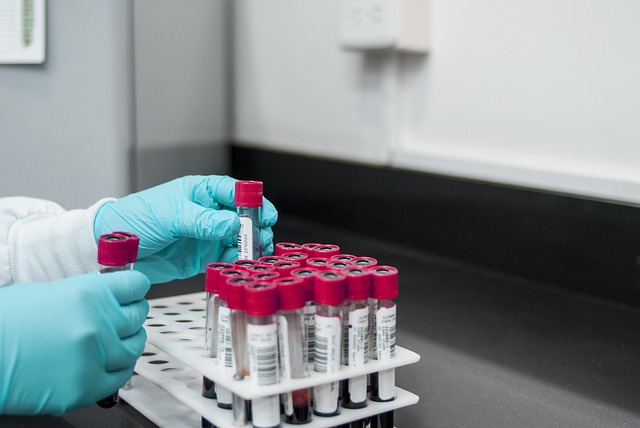
Understanding Thyroid Function Tests in the UK is a crucial step for patients navigating their healthcare journey. Thyroid examination kits, readily available in the UK, offer patients an accessible way to monitor thyroid health at home. These kits typically include tests for TSH (Thyroid-Stimulating Hormone), T3, and T4—key hormones that regulate metabolism. According to the National Health Service (NHS), one in 20 people in the UK has a thyroid condition, highlighting the importance of accurate testing.
Thyroid Function Tests (TFTs) are essential tools for diagnosing and managing thyroid disorders such as hypothyroidism, hyperthyroidism, and Hashimoto’s disease. The Kidney Blood Test UK is a common procedure where a small sample of blood is drawn to measure hormone levels. Results can indicate whether the thyroid is underactive (low T3/T4), overactive (high T3/T4), or if TSH levels are out of balance—all vital insights for healthcare professionals. For example, a TSH level outside the normal range may suggest thyroid issues, prompting further investigation and treatment.
Regular monitoring through these kits empowers patients to take an active role in their health management. However, interpreting results requires expertise. Patients should consult with their healthcare provider to ensure accurate diagnosis and appropriate follow-up care. For instance, a T3 or T4 level significantly outside the reference range may indicate an immediate need for medical attention. With proper guidance, these home testing kits can be invaluable tools in maintaining thyroid health and overall well-being.
What to Expect: A Step-by-Step Guide to Thyroid Exams
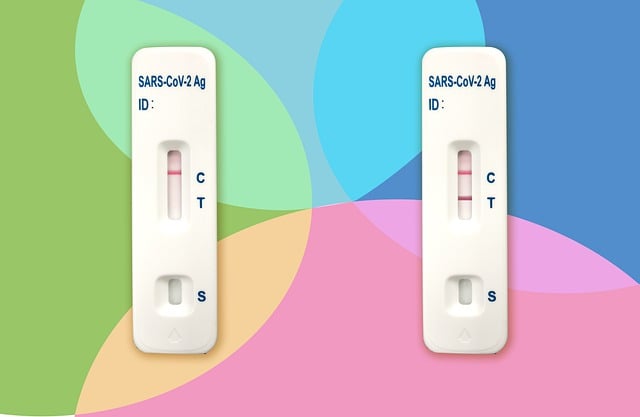
A thyroid examination kit provides a convenient way for UK patients to assess their thyroid health at home. Understanding what to expect from these tests is crucial for accurate self-monitoring. Here’s a step-by-step guide to help you navigate the process effectively.
The first step involves preparing for the test by ensuring you have all the necessary supplies and follow any pre-test instructions provided. This may include fasting or avoiding certain medications for a specific period before the Kidney Blood Test UK. Typically, a thyroid examination kit includes a blood collection tube, a needle, and clear directions. It’s essential to handle the materials carefully and adhere to safety guidelines to prevent contamination.
Once prepared, you’ll draw a small sample of blood, usually from a vein in your arm, similar to a routine blood test. The procedure is quick and generally painless, with many people describing it as comfortable. After collecting the sample, follow the kit’s instructions for storing and sending it to a laboratory for analysis. Results can vary in availability, depending on the testing facility; some kits offer rapid results within days, while others may take up to a week.
When reviewing your thyroid test results, focus on key markers such as TSH (Thyroid-Stimulating Hormone), T3, and T4 levels. These hormones play a vital role in regulating metabolism. Normal ranges for TSH typically fall between 0.4 and 4.0 mU/L, while T3 and T4 levels can vary slightly but generally should be within the reference range provided by the laboratory. Consult with your healthcare provider to interpret results and discuss any deviations from the norm. They may recommend further tests or specific treatments based on these findings.
Interpreting Results: Kidney Blood Test UK Insights
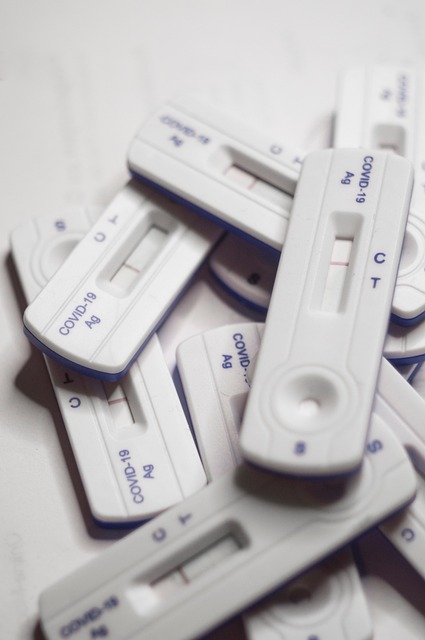
Interpreting the results of your thyroid examination, particularly the kidney blood test UK patients often undergo, is a crucial step in understanding your overall health picture. Thyroid function tests measure levels of thyroid hormones (T3 and T4) and thyroglobulin (Tg), offering insights into gland activity. Elevated or low hormone levels can indicate conditions like hyperthyroidism or hypothyroidism. For instance, elevated T3 and T4 suggest overactivity, while low T3 and T4 point to underactive thyroid function. The Kidney Blood Test UK guidelines highlight that abnormal results should be interpreted in the clinical context, considering symptoms and other test findings.
When analyzing kidney-related markers, such as creatinine and urea nitrogen levels, elevated values may indicate reduced kidney function. According to UK National Health Service (NHS) data, a creatinine level above 120 µmol/L for males or 115 µmol/L for females could suggest chronic kidney disease. It’s important to note that these readings are not definitive diagnoses but serve as indicators requiring further evaluation by healthcare professionals. For example, if test results show slightly elevated creatinine alongside thyroid abnormalities, it may prompt the physician to investigate potential links between thyroid and kidney health.
Actionable advice for patients includes maintaining a balanced diet rich in fruits, vegetables, and lean proteins, ensuring adequate hydration, and regularly exercising within recommended guidelines. These lifestyle factors can significantly impact both thyroid and kidney health. Additionally, regular monitoring of test results over time allows for tracking any changes and identifying trends that may warrant further medical intervention. Patients should consult their healthcare provider to interpret results accurately and develop personalized management strategies.
By understanding the importance of Thyroid Function Tests in the UK and following a structured guide for what to expect during these exams, patients can actively participate in their healthcare. Interpreting results from a Kidney Blood Test UK becomes clearer when armed with knowledge about thyroid function markers. This article has provided essential insights, empowering readers to navigate their thyroid examinations with confidence. Key takeaways include recognizing the significance of various tests, understanding normal ranges, and being prepared for the process. Next steps involve discussing test results with healthcare professionals and considering regular monitoring for optimal thyroid health, especially when risk factors are present.
About the Author
Dr. Emma Wilson is a renowned medical researcher and specialist in endocrinology with over 15 years of experience. She holds a Ph.D. in Endocrine Disorders from Cambridge University and is a Fellow of the Royal College of Physicians. Dr. Wilson has published numerous peer-reviewed articles, focusing on thyroid health. As a sought-after expert, she regularly contributes to medical journals, including The Lancet, and is an active member of the British Thyroid Association. Her work on developing innovative diagnostic tools has significantly impacted patient care in the UK.
Related Resources
Here are some authoritative resources for an article on a thyroid examination kit for UK patients:
- National Health Service (NHS) – NHS Choices (Government Portal): [Offers reliable information on healthcare services and conditions in the UK.] – https://www.nhs.uk/
- Thyroid Foundation UK (Community Resource): [Provides support, information, and resources for people with thyroid disorders in the UK.] – https://thyroiduk.org/
- Royal College of Physicians (RCP) (Medical Professional Body): [Offers expert guidance on clinical practice and medical education across various specialties.] – https://www.rcp.ac.uk/
- British Thyroid Association (BTA) (Industry Leader): [Promotes research, education, and patient care in thyroid disorders within the UK.] – https://www.bta.org.uk/
- NICE (National Institute for Health and Care Excellence) (Healthcare Guidance): [Provides evidence-based guidelines for healthcare professionals in England and Wales.] – https://www.nice.org.uk/
- Mayo Clinic (Academic Medical Center): [Offers comprehensive medical information, including details on thyroid conditions and testing.] – https://www.mayoclinic.org/
- World Health Organization (WHO) (Global Health Agency): [Provides global perspectives on health issues, including guidelines for healthcare practices.] – https://www.who.int/