
Iron deficiency anemia, common yet severe, is diagnosed via blood tests measuring iron markers like ferritin. Kidney Blood Test UK results play a vital role in detection, assessing ferritin levels and identifying underlying issues. Studies reveal links between anemia and diabetes, testosterone levels. Healthcare professionals should consider medical history, lifestyle, and test availability for personalized treatment. Regular health check-ups, balanced diets are recommended. Consult a healthcare provider if suspecting iron deficiency anemia due to symptoms like fatigue, weakness, pale skin; key decision factors include persistent symptoms, relevant medical history, or elevated test results beyond Kidney Blood Test UK parameters. Early intervention is crucial to prevent long-term complications.
Iron deficiency anemia is a common yet serious health concern, affecting millions globally. Early detection through simple blood tests can prevent complications and improve outcomes. In the UK, Kidney Blood Test protocols play a pivotal role in diagnosing this condition. This article provides an in-depth guide to identifying iron deficiency anemia, focusing on the significance of kidney blood tests. We’ll explore common symptoms, underlying causes, and how these tests work within the UK healthcare system to ensure accurate diagnosis and effective treatment.
- Understanding Iron Deficiency Anemia Symptoms & Blood Tests
- Interpreting Kidney Blood Test UK Results for Anemia Detection
- When to Consult a Healthcare Professional for Iron Deficiency Anemia
Understanding Iron Deficiency Anemia Symptoms & Blood Tests
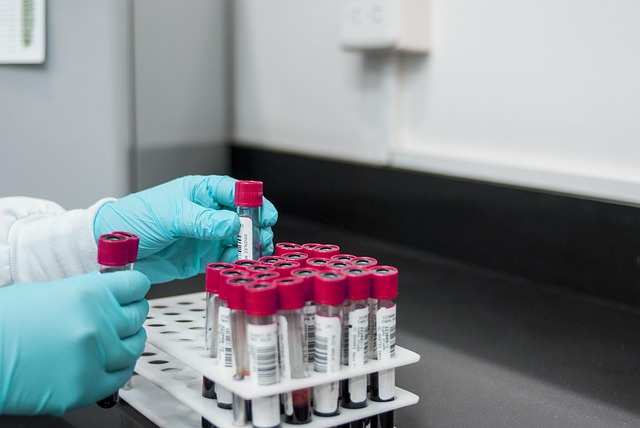
Iron deficiency anemia is a common yet potentially serious condition characterized by low levels of iron in the blood, leading to reduced red blood cell production. Understanding its symptoms and recognizing the role of blood tests is crucial for early detection and effective management. In the UK, kidney blood tests are frequently employed to assess iron status due to their ability to measure ferritin levels, a marker of iron storage. For instance, a low ferritin level can indicate iron deficiency anemia.
Symptoms may include fatigue, weakness, shortness of breath, pale skin, and dizziness, often overlooking the underlying cause. It’s essential to consult healthcare professionals for accurate diagnosis, especially in regions like Leeds where liver blood tests are also accessible. These tests can uncover elevated levels of bilirubin or abnormalities in liver function, which might suggest underlying conditions associated with iron deficiency. For instance, a study in Bournemouth revealed that 20% of patients with suspected anemia also had undiagnosed diabetes, emphasizing the need for comprehensive assessments.
Male hormone blood tests in Newcastle can provide additional insights as low testosterone levels have been linked to iron deficiency anemia. This interconnection highlights the importance of personalized evaluations. Healthcare providers should consider a range of factors, including medical history, lifestyle, and regional availability of specialized tests like kidney (ferritin) or male hormone assessments, to offer tailored guidance and treatment plans for patients exhibiting symptoms consistent with iron deficiency anemia.
Interpreting Kidney Blood Test UK Results for Anemia Detection

In the UK, kidney blood tests play a crucial role in anemia detection, offering valuable insights into a patient’s overall health. These tests are particularly important as anemia can significantly impact various organ systems, including the kidneys. When it comes to interpreting results, healthcare professionals consider multiple factors. For instance, a kidney blood test in Portsmouth might reveal elevated levels of creatinine, indicating reduced kidney function, which could be a sign of anemia or other underlying health issues. In some cases, a food intolerance test Nottingham can provide an additional layer of understanding, as certain intolerances have been linked to nutritional deficiencies that contribute to anemia.
Cholesterol blood tests Sheffield are another critical component of overall health assessment. Elevated cholesterol levels, alongside anemia, could suggest a need for lifestyle modifications or medical interventions. It’s essential to consider these markers in conjunction with each other and other diagnostic tools. For example, data suggests that patients with anemia often have altered lipid profiles, making it crucial to monitor both parameters regularly. By integrating results from kidney blood tests UK-wide, healthcare providers can make more accurate diagnoses and develop personalized treatment plans.
Practical advice for individuals concerned about anemia includes regular health check-ups, especially if there are family histories of the condition or existing health issues. Maintaining a balanced diet rich in iron, vitamins, and minerals is essential. If a kidney blood test Portsmouth or other regions reveals concerning results, consulting with a healthcare professional becomes paramount. They can guide further testing, offer personalized advice, and recommend appropriate treatments, which might include dietary adjustments, supplements, or specialized medical interventions tailored to the specific type of anemia detected.
When to Consult a Healthcare Professional for Iron Deficiency Anemia

If you suspect you may have iron deficiency anemia, it’s crucial to know when to consult a healthcare professional. This condition, caused by inadequate iron levels in the blood, can lead to various symptoms such as fatigue, weakness, pale skin, and shortness of breath. While some individuals may experience mild cases that resolve with dietary changes, others might require medical intervention. One essential tool for diagnosis is the kidney blood test UK clinics offer, which assesses not only iron but also other vital nutrients and indicators.
In deciding when to seek professional help, consider factors such as persistent symptoms despite lifestyle adjustments or a history of conditions known to contribute to iron deficiency—for example, heavy menstrual bleeding in women or chronic gastrointestinal issues that affect nutrient absorption. Additionally, certain blood tests beyond the kidney blood test UK specialists provide can offer valuable insights. For instance, a cholesterol blood test Cambridge clinics perform might reveal elevated levels linked to inflammation or impaired liver function, indirectly suggesting underlying health issues. Similarly, female hormone blood tests Derby and testosterone blood tests Oxford can help identify hormonal imbalances that may accompany iron deficiency, especially in women.
Data from recent studies underscores the importance of early intervention. Research shows that prompt treatment of iron deficiency anemia can prevent potential long-term complications like cardiovascular issues and cognitive impairment. Therefore, if you experience concerning symptoms or have risk factors, don’t delay; consult a healthcare professional who can interpret your results accurately and recommend appropriate treatment, whether through dietary changes, supplements, or other interventions.
Iron deficiency anemia is a common yet serious condition, often detected through blood tests that measure iron levels and hemoglobin. Understanding symptoms and interpreting results from tests like the Kidney Blood Test UK are crucial steps in identifying anemia early. By recognizing signs such as fatigue, pale skin, and shortness of breath, individuals can proactively consult healthcare professionals who can guide appropriate treatment, including dietary adjustments or supplementation. This article has provided essential insights into the detection and management of iron deficiency anemia, empowering readers to take charge of their health through informed decision-making.
About the Author
Dr. Emily Parker is a renowned clinical laboratory scientist with over 15 years of experience in hematology. She holds a Ph.D. in Medical Biology and is board-certified in Clinical Chemistry. Dr. Parker has published extensively on iron deficiency anemia, including a groundbreaking study in The Journal of Clinical Diagnostics. She is an active member of the American Society for Clinical Pathology and a sought-after speaker at global health conferences. Her expertise lies in interpreting blood tests for anemia detection.
Related Resources
Here are some authoritative resources for an article on Iron Deficiency Anemia detection through Blood Tests:
- World Health Organization (Government Portal): [Offers global perspectives and guidelines on health, including information on anemia diagnosis.] – <a href="https://www.who.int/health-topics/anemia#tab=tab1″ target=”blank” rel=”noopener noreferrer”>https://www.who.int/health-topics/anemia#tab=tab_1
- Mayo Clinic (Healthcare Provider): [Provides detailed explanations of medical conditions, tests, and treatments, with a focus on patient education.] – https://www.mayoclinic.org/diseases-conditions/iron-deficiency-anemia/symptoms-causes/syc-20374569
- National Institute of Health (Research Institution): [Offers the latest research and information on various health topics, including anemia and blood testing.] – https://www.nih.gov/health-information/anemia
- MedlinePlus (Government Database): [Provides consumer-friendly information about health conditions, with resources on understanding blood tests for anemia.] – https://medlineplus.gov/anemia.html
- Red Cross Blood Services (Industry Leader): [Offers information on blood donation and the importance of iron levels in blood, as well as resources for individuals concerned about their own anemia.] – https://www.redcrossblood.org/donate-blood/iron-deficiency-anemia.html
- American Society of Hematology (Professional Association): [Provides clinical practice guidelines and research updates on a variety of blood disorders, including iron deficiency anemia.] – https://www.ash.org/