
The Kidney Blood Test UK provides a comprehensive overview of kidney health, measuring parameters like creatinine and urea. It's crucial for detecting issues, especially in those at risk of Vitamin B12 deficiency, as symptoms may be subtle. Interpreting these tests is vital for diagnosis and managing kidney health, with key metrics including creatinine levels and eGFR. Deviations from reference ranges indicate potential problems, requiring personalized treatment.
Detecting Vitamin B12 deficiency early is crucial for maintaining overall health. This comprehensive guide explores how to identify this often subtle yet serious condition through blood tests, with a specific focus on the Kidney Blood Test in the UK. Understanding the common symptoms and risk factors is vital, as is knowing what results from a kidney blood test actually mean. By delving into these aspects, individuals can navigate potential health risks effectively.
- Understanding Vitamin B12 Deficiency
- Common Symptoms and Risk Factors
- Interpreting Kidney Blood Test Results in UK
Understanding Vitamin B12 Deficiency

Common Symptoms and Risk Factors

Many individuals may not realise they have a Vitamin B12 deficiency until it’s detected through a blood test, as early symptoms can be subtle and easily overlooked. Common signs include fatigue, weakness, and a reduced sense of wellbeing. You might also experience memory issues, difficulty concentrating, tingling or numbness in the hands and feet, and even balance problems. These symptoms can be indicative of several different health concerns, making it crucial to seek medical advice for accurate diagnosis.
Several risk factors contribute to Vitamin B12 deficiency, with age being a significant one. As we get older, our bodies become less efficient at absorbing this vital nutrient from food. Vegetarians and vegans are also at higher risk due to the predominantly animal-based sources of Vitamin B12. Those with certain medical conditions like kidney disease or those who’ve had gastrointestinal surgeries may face challenges in absorbing B12 as well. A Kidney Blood Test UK can be particularly relevant for individuals with kidney issues, as they might require monitoring and treatment for B12 deficiency to prevent further complications.
Interpreting Kidney Blood Test Results in UK
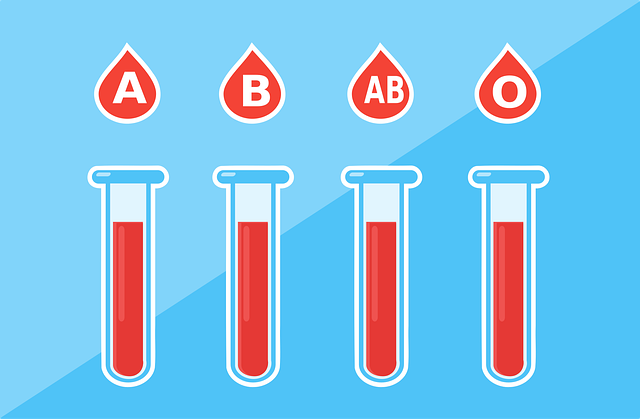
In the UK, interpreting kidney blood test results is crucial for diagnosing and managing kidney health. These tests often include measurements like creatinine and eGFR (estimated glomerular filtration rate), which provide insights into kidney function. Normal creatinine levels typically range between 45 to 105 µmol/L for men and 53 to 129 µmol/L for women, while eGFR values above 60 mL/min/1.73m² indicate good kidney health. If these values deviate significantly from the reference ranges, it may suggest kidney impairment or disease.
For individuals with suspected vitamin B12 deficiency, abnormal kidney blood test results could further complicate the picture. Vitamin B12 plays a critical role in maintaining healthy red blood cells and nerve function, and its deficiency can lead to anemia. When assessing kidney health alongside B12 levels, healthcare professionals in the UK must consider that some B12 deficiencies might be masked by renal impairment, while chronic kidney disease patients may require specific B12 supplementation due to impaired absorption or increased excretion rates. Therefore, comprehensive interpretation of test results is essential for accurate diagnosis and personalized treatment.
Vitamin B12 deficiency is a manageable condition, especially when detected early through appropriate blood tests like the kidney blood test in the UK. By being aware of symptoms and risk factors, individuals can promptly seek diagnosis and treatment to prevent potential neurological damage. Regular check-ups are key, particularly for those at higher risk. Understanding the results of kidney blood tests can empower people to take charge of their health and ensure optimal B12 levels.