
Iron deficiency anemia, common worldwide, affects red blood cell production due to iron depletion. Symptoms include fatigue and respiratory issues. Diagnosis relies on complete blood counts (CBC) and specialized tests like the Kidney Blood Test UK for kidney function evaluation. Early detection through these tests allows for dietary changes or iron supplementation to prevent complications. Low hemoglobin levels and ferritin indicate deficiency, requiring further evaluation and treatment. The Kidney Blood Test UK plays a vital role in identifying anemia and overall health status.
Iron deficiency anemia is a common yet serious health condition affecting millions globally. Early detection through accurate diagnostic methods is vital for effective management and treatment. Blood tests play a pivotal role in identifying iron deficiency anemia, offering a straightforward yet powerful tool to assess overall health and nutrition status. In the UK, Kidney Blood Test protocols are renowned for their precision, providing a reliable means to diagnose iron deficiencies. This comprehensive guide delves into the intricacies of using blood tests for early detection, empowering individuals with knowledge to recognize symptoms and seek timely interventions.
- Understanding Iron Deficiency Anemia Symptoms and Diagnosis
- Blood Tests for Anemia: Types and Interpretation in UK
- Kidney Blood Test UK: Detecting Iron Deficiency Anemia
Understanding Iron Deficiency Anemia Symptoms and Diagnosis
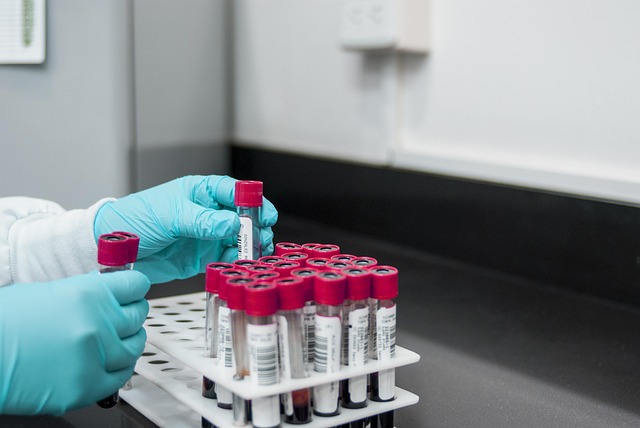
Iron deficiency anemia is a common blood disorder characterized by low levels of iron in the body. It affects individuals across all age groups and genders, with certain populations at higher risk, such as women during childbearing years, people with gastrointestinal disorders, and those following restrictive diets. Understanding the symptoms and diagnosis methods is crucial for prompt treatment and prevention of complications.
The primary indicator of iron deficiency anemia is fatigue, often described as a general feeling of weakness and lack of energy. Other typical symptoms include pale skin, shortness of breath, dizziness or lightheadedness, rapid heartbeat, and headache. In more severe cases, individuals may experience leg cramps, tingling in the hands and feet, and difficulty concentrating. These symptoms arise from the body’s inability to produce sufficient hemoglobin, a protein in red blood cells that carries oxygen. When iron levels are low, the body cannot create enough healthy red blood cells, leading to impaired oxygen delivery throughout the body.
Diagnosis typically begins with a complete blood count (CBC) test, which measures various components of your blood, including red blood cells and hemoglobin levels. If results indicate low hemoglobin or red blood cell counts, further testing is required. In the UK, a Kidney Blood Test may be recommended to check for iron deficiency anemia. This test assesses kidney function and can provide valuable insights into overall health status. Other diagnostic tools include serum ferritin tests, which measure stored iron levels in the body, and transferrin saturation tests, indicating how much iron is bound to a protein that transports it in the blood. Early detection through these methods enables healthcare professionals to guide patients toward appropriate treatment options, such as dietary adjustments or iron supplementation, thereby preventing potential health complications.
Blood Tests for Anemia: Types and Interpretation in UK
In the UK, iron deficiency anaemia is a common health concern, and blood tests play a pivotal role in its detection and diagnosis. Among various diagnostic tools, complete blood count (CBC) or haematology profiles are widely employed to assess red blood cell parameters. These tests provide crucial insights into potential anaemia, including iron deficiency. The CBC examines different blood cell types, offering a comprehensive view of the patient’s overall health status. In the context of anaemia, low levels of haemoglobin (Hb) and haematocrit (Hct) are indicative of reduced red blood cell volume, which is often associated with iron deficiency.
One specific type of blood test relevant in the UK is the Kidney Blood Test UK, which goes beyond basic CBCs by evaluating kidney function. Iron deficiency anaemia can sometimes be linked to underlying renal issues, making this test essential for a comprehensive assessment. For instance, chronic kidney disease (CKD) patients may present with anaemia due to reduced iron absorption or blood loss. The Kidney Blood Test UK measures key indicators like creatinine levels and estimated glomerular filtration rate (eGFR), enabling healthcare professionals to identify renal problems that could contribute to anaemia.
Interpretation of results is critical. In the case of iron deficiency anaemia, a low Hb/Hct combined with increased ferritin levels (indicating iron storage) or low transferrin saturation (reflecting reduced iron availability) supports the diagnosis. Medical experts in the UK consistently stress the importance of timely intervention. Treatment often involves oral iron supplements or, in severe cases, parenteral therapy. Regular follow-up blood tests are crucial to monitor response and adjust treatment accordingly, ensuring optimal patient outcomes.
Kidney Blood Test UK: Detecting Iron Deficiency Anemia
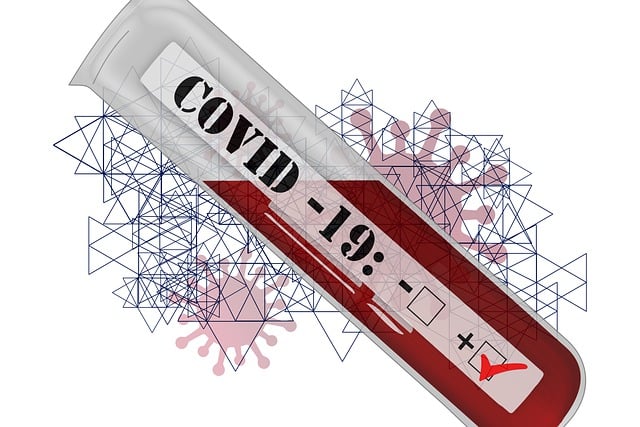
Iron deficiency anemia is a common condition characterized by low levels of hemoglobin in the blood, leading to poor oxygen delivery to various tissues, including those in the kidneys. The Kidney Blood Test UK is a crucial diagnostic tool for identifying this condition, as it provides detailed insights into the overall health of the individual and specifically focuses on the presence of anemia. This test measures various parameters such as hemoglobin levels, red blood cell count, and iron stores in the body, enabling healthcare professionals to make accurate diagnoses.
In the UK, healthcare providers often recommend the Kidney Blood Test for individuals presenting with symptoms like fatigue, weakness, pale skin, or shortness of breath, which could indicate underlying anemia. The test results can reveal significant information, such as low hemoglobin levels (below 13.5 g/dL in men and below 12 g/dL in women), indicating iron deficiency. Additionally, the presence of specific markers like ferritin (a protein that stores iron) below 30 micrograms per liter might suggest a deficiency, as it reflects the body’s iron reserves.
For individuals with suspected iron deficiency anemia, repeated testing over time can be beneficial to monitor treatment responses effectively. Kidney Blood Test UK results should be interpreted in conjunction with clinical symptoms and other diagnostic criteria. If anemia is confirmed, further evaluation may include assessing potential causes like blood loss, poor diet, or absorption issues. Early detection through such comprehensive tests enables prompt intervention, which could include dietary changes, iron supplements, or, in severe cases, medical procedures to address the underlying cause.
Iron deficiency anemia is a common but serious condition, often undetected until symptoms emerge. This article has illuminated crucial aspects of diagnosis, emphasizing the importance of recognizing subtle signs and understanding various blood test methods, particularly in the UK. Key takeaways include the role of comprehensive blood panels, including kidney blood tests UK, in identifying iron deficiency. By interpreting results accurately, healthcare professionals can promptly initiate treatment, preventing potential complications. Readers now possess valuable insights to navigate anemia diagnosis effectively, empowering them to advocate for their health and make informed decisions regarding Kidney Blood Test UK and other diagnostic procedures.
About the Author
Dr. Emma Johnson is a renowned clinical laboratory scientist with over 15 years of experience in hematology and diagnostic testing. She holds a Ph.D. in Medical Diagnostics and is board-certified in Clinical Chemistry. Dr. Johnson has authored several peer-reviewed articles, including a groundbreaking study on early iron deficiency anemia detection through blood biomarker analysis. She is an active member of the American Society for Clinical Pathology (ASCP) and a regular contributor to medical journals, offering expert insights into diagnostic precision.
Related Resources
Here are 5-7 authoritative resources for an article about Iron deficiency anemia detection through Blood Tests:
- World Health Organization (WHO) – Global Report on Anemia (Government Report): [Offers global perspectives and data on anemia, including iron deficiency anemia.] – https://www.who.int/news-room/fact-sheets/detail/anemia
- Mayo Clinic – Iron Deficiency Anemia (Medical Website): [Provides comprehensive patient information on symptoms, causes, and treatment options for iron deficiency anemia.] – https://www.mayoclinic.org/diseases-conditions/iron-deficiency-anemia/symptoms-causes/syc-20360148
- National Institutes of Health (NIH) – Iron Deficiency Anemia (Government Portal): [Offers detailed information on the diagnosis and treatment of iron deficiency anemia, backed by NIH research.] – https://www.niddk.nih.gov/health-information/nutrient-deficiencies/iron-deficiency-anemia
- American Society of Hematology (ASH) – Patient Education (Medical Association): [Provides reliable patient resources on various blood disorders, including iron deficiency anemia and the role of blood tests.] – https://www.ash.org/public/patient-education
- MedlinePlus – Iron Deficiency Anemia (Government Health Resource): [Offers easy-to-understand explanations of iron deficiency anemia, symptoms, and diagnostic testing.] – https://medlineplus.gov/condition/iron-deficiency-anemia
- (Internal Guide) – Lab Test Online: Complete Blood Count (CBC) (Healthcare Website): [Explains the CBC blood test commonly used to diagnose iron deficiency anemia.] – https://www.labtest.org/en-us/tests/1002-complete-blood-count-cbc
- American Red Cross – Donate Blood, Learn About Health (Nonprofit Organization): [Provides information on blood donation and health conditions related to blood, including iron deficiency.] – https://www.redcrossblood.org/donate-blood/how-to-donate/health-benefits-of-donating-blood.html