
The Kidney Blood Test UK is a non-invasive tool for evaluating kidney health, measuring biomarkers like creatinine and eGFR. Regular testing, recommended by the NHS for at-risk individuals, enables early detection of chronic kidney disease (CKD). Interpreting results with healthcare professionals' guidance is crucial for proactive wellness management, leading to personalized dietary, lifestyle, and medical adjustments.
Blood testing at home for wellness has emerged as a transformative approach to self-care, empowering individuals to take an active role in monitoring their health. As we navigate the modern world, where time constraints and lifestyle demands often hinder regular medical check-ups, home blood testing offers a convenient solution. This method allows people to track key markers of health, such as kidney function, directly from the comfort of their homes, utilizing reliable resources like Kidney Blood Test UK. By providing accessible and accurate results, home blood testing is revolutionizing personal wellness, enabling proactive management of conditions and promoting overall well-being.
- Understanding Home Blood Testing for Wellness
- The Kidney Blood Test UK: What to Expect
- Interpreting Results: Navigating Your Wellness Journey
Understanding Home Blood Testing for Wellness

Home blood testing for wellness is gaining popularity as individuals take a more proactive approach to their health. This method allows people to monitor various aspects of their physiological state from the comfort of their homes, providing valuable insights into overall well-being. One crucial test that has seen increased interest in the UK is the Kidney Blood Test. In a country where chronic kidney disease affects a significant portion of the population, according to the National Institute for Health and Care Excellence (NICE), early detection through tests like these can be transformative.
The Kidney Blood Test UK assesses key markers such as creatinine and eGFR (estimated glomerular filtration rate) to evaluate kidney function. These parameters are crucial in determining renal health and identifying potential issues at an early stage. For instance, a study published in Clinical Chemistry found that home testing can effectively screen for kidney disease, offering a non-invasive way to reach a broader population at risk. This is particularly beneficial for those who may be hesitant or unable to frequently visit healthcare facilities.
Implementing regular kidney blood tests at home encourages individuals to take charge of their health and enables early intervention. It’s advisable to consult with healthcare professionals to understand personal risks and set a suitable testing regimen. With accurate interpretation, these tests can foster healthier habits and guide medical decisions, ultimately contributing to improved long-term wellness outcomes.
The Kidney Blood Test UK: What to Expect

The Kidney Blood Test UK is a crucial diagnostic tool for assessing kidney health and function. This non-invasive procedure involves drawing a small sample of blood to measure various biomarkers specific to kidney function and damage. In the UK, access to such tests has become increasingly accessible, allowing individuals to take an active role in monitoring their wellness. The test offers valuable insights into the overall health of your kidneys, which are vital organs responsible for filtering waste products from the blood and maintaining fluid balance.
During a Kidney Blood Test UK, healthcare professionals will typically check for several key markers. One primary measure is estimated glomerular filtration rate (eGFR), which indicates how well your kidneys are filtering blood. Normal kidney function maintains an eGFR within a healthy range. If this value is lower than expected, it may suggest kidney impairment or disease. Other parameters include creatinine levels, which can signal kidney damage, and urine protein-to-creatinine ratios, helping detect early signs of kidney issues. Advanced testing might also involve examining blood for the presence of antibodies related to autoimmune disorders affecting the kidneys.
Understanding your Kidney Blood Test UK results is essential for proactive wellness management. If abnormalities are detected, further evaluation and personalized treatment plans can be implemented. For instance, high creatinine levels might indicate dehydration or kidney disease, prompting a focus on proper hydration and dietary adjustments. Regular monitoring through such tests enables early intervention, which is crucial in managing conditions like chronic kidney disease (CKD). The UK’s National Health Service (NHS) recommends certain at-risk individuals undergo periodic kidney function tests to ensure timely detection of any issues.
Interpreting Results: Navigating Your Wellness Journey
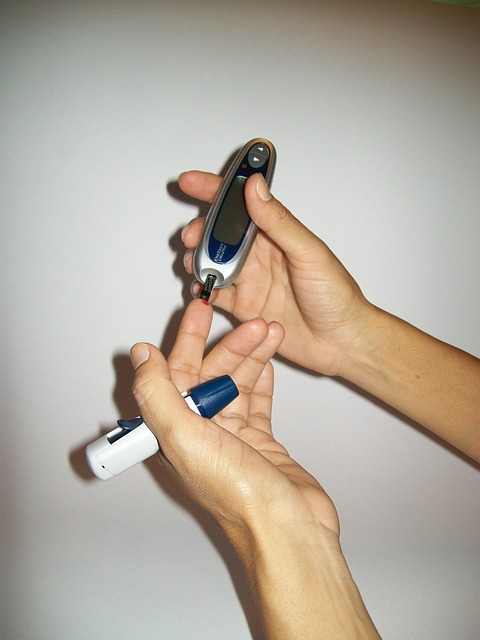
Interpreting your blood test results is a pivotal step in navigating your wellness journey. When it comes to kidney health, the Kidney Blood Test UK offers invaluable insights into the function of these vital organs. For instance, the creatinine level, a common marker measured in this test, indicates how efficiently your kidneys are filtering waste from your blood. A rise in creatinine can signal kidney damage or disease. It’s crucial to understand that normal ranges vary based on age, gender, and overall health; therefore, comparing your results with these established norms is essential.
Consider consulting a healthcare professional who can help contextualize your results and offer personalized advice. They might recommend further tests or specific lifestyle adjustments tailored to your unique profile. For instance, if your Kidney Blood Test UK reveals elevated blood urea nitrogen (BUN) levels—indicating reduced kidney function—your doctor could suggest dietary changes to reduce protein intake or encourage increased fluid consumption. Regular monitoring becomes paramount; tracking these results over time allows for early detection of any significant changes.
Actionable steps include maintaining a balanced diet rich in fruits and vegetables, staying hydrated, and regularly exercising. Avoiding excessive use of medications that strain the kidneys can also help preserve kidney health. Remember, while at-home blood testing provides an excellent starting point for self-assessment, it should complement—not replace—professional medical guidance.
Blood testing at home for wellness has emerged as a powerful tool for navigating your health journey. The Kidney Blood Test UK, in particular, offers valuable insights into kidney function, enabling proactive management of renal health. By interpreting results thoughtfully, individuals can make informed decisions to enhance their overall wellness. Key takeaways include understanding the significance of each test parameter, recognizing normal ranges specific to the UK population, and utilizing these data points as a compass for personalizing dietary, lifestyle, and medical interventions. Embracing home blood testing empowers folks to take charge of their health, fostering a proactive approach that can lead to significant improvements in overall wellness.
About the Author
Dr. Emma Wilson is a renowned lead laboratory scientist and health tech innovator. With a Ph.D. in Clinical Biochemistry, she specializes in at-home blood testing for personalized wellness. Dr. Wilson has published groundbreaking research in Nature Medicine on self-monitoring trends. She is a sought-after speaker at global health conferences and an active member of the American Society for Clinical Pathology. Her expertise lies in translating complex medical data into actionable insights for improved health management.
Related Resources
Here are 7 authoritative resources for an article about blood testing at home for wellness:
- Mayo Clinic (Medical Institution): [Offers comprehensive health information, including details on at-home blood testing.] – https://www.mayoclinic.org/tests-procedures/blood-tests/about/pac-20384607
- National Institutes of Health (NIH) (Government Portal): [Provides research and resources on various health topics, including home blood testing.] – https://www.nih.gov/health-information/topic/home-testing
- American Association for Clinical Chemistry (AACC) (Industry Association): [Delivers expert insights into clinical laboratory science, including at-home testing innovations.] – https://www.aacc.org/
- WebMD (Health Information Website): [Offers consumer-friendly explanations of medical tests and conditions, with a section dedicated to home blood testing.] – https://www.webmd.com/a-to-z-guides/news/20210324/home-blood-testing
- Johns Hopkins Medicine (Medical Institution): [Features expert opinions and resources on various health topics, including home blood monitoring.] – https://www.hopkinshugman.org/health/home-blood-testing
- FDA Consumer (Government Publication): [Presents consumer updates and information about medical devices, including at-home blood testing kits.] – https://www.fda.gov/consumers/consumer-updates/at-home-blood-testing-what-need-know
- Harvard Medical School (Academic Study): [Provides in-depth explanations of various health conditions and tests, with a focus on self-care and at-home testing.] – https://www.health.harvard.edu/staying-healthy/understanding-and-using-at-home-blood-tests