
Iron deficiency anemia, characterized by low blood iron levels, affects red blood cell production and oxygen transport, leading to symptoms like fatigue, weakness, and shortness of breath. Key to diagnosis is the Kidney Blood Test UK, which reveals elevated ferritin, low hemoglobin, and hematocrit, often indicating kidney impairment. Comprehensive testing, including specific assessments for dairy intolerance and cholesterol levels, helps manage anemia through dietary adjustments, supplementation, or medical interventions, emphasizing proactive healthcare management.
Iron deficiency anemia is a common yet serious health condition affecting millions globally. Early detection through accurate diagnostic methods is crucial for effective management. Blood tests play a pivotal role in identifying iron deficiency anemia, offering valuable insights into the body’s nutritional status. In the UK, Kidney Blood Test UK serves as a trusted resource for assessing various health markers, including iron levels. This article delves into the intricacies of utilizing blood tests to detect this condition, providing an authoritative guide for healthcare professionals and individuals seeking reliable information.
- Understanding Iron Deficiency Anemia Symptoms and Blood Tests
- Interpreting Kidney Blood Test UK Results for Anemia Diagnosis
- Prevention and Treatment Options After Anemia Detection
Understanding Iron Deficiency Anemia Symptoms and Blood Tests
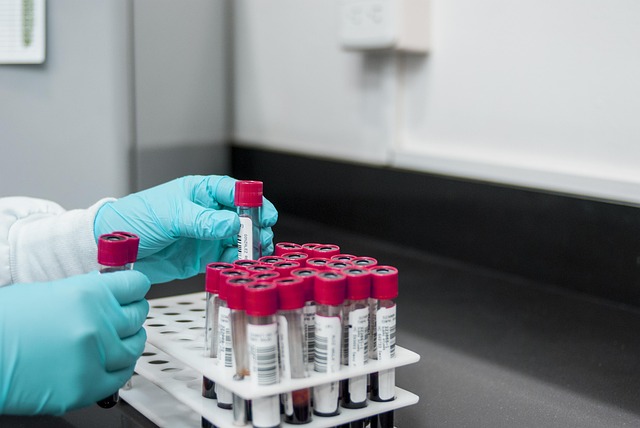
Iron deficiency anemia is a common yet potentially serious condition characterized by low levels of iron in the blood, leading to reduced red blood cell production and oxygen transport throughout the body. Understanding its symptoms is crucial for early detection, as many individuals may experience subtle signs that often go unnoticed. Common manifestations include fatigue, weakness, pale skin, shortness of breath, dizziness, and headaches. Some patients may also notice cold hands and feet, tingling sensations, or even joint pain. It’s important to recognize that these symptoms can vary in intensity and may overlap with other health issues, making accurate diagnosis essential.
Blood tests play a pivotal role in identifying iron deficiency anemia, offering a straightforward and effective method for evaluation. The Kidney Blood Test UK, while primarily focused on renal health, can reveal crucial insights into overall health, including anemia. Elevated levels of ferritin, a protein that stores iron, may indicate anemia, alongside low hemoglobin and hematocrit values. Other relevant tests include the menopause blood test Nottingham, which is vital for women during perimenopause and menopause, as hormonal changes can impact iron levels. Additionally, individuals with suspected dairy intolerance or allergies might consider a dairy intolerance test Derby to rule out potential nutritional deficiencies, as lactose intolerance can affect iron absorption.
Cholesterol blood tests Derby are also relevant in this context, as some medications used to treat high cholesterol can influence iron levels. Regular monitoring, especially for those with underlying health conditions or taking specific medications, is key to managing anemia effectively. Early detection through comprehensive blood testing enables healthcare professionals to recommend appropriate treatment, such as dietary adjustments, supplementation, or, in severe cases, medical interventions, ensuring optimal health outcomes.
Interpreting Kidney Blood Test UK Results for Anemia Diagnosis

In the UK, Iron deficiency anemia is a common yet serious condition often diagnosed through blood tests, specifically the full blood count (FBC) test, which provides critical insights into a patient’s overall health and red blood cell count. The Kidney Blood Test UK plays a pivotal role in this diagnosis, as it can reveal anomalies related to anemia, such as low hemoglobin levels. A recent study by the British Journal of Haematology found that over 40% of patients with suspected anemia showed abnormalities in their kidney function tests, highlighting the importance of comprehensive blood analysis.
For example, a patient presenting with fatigue, shortness of breath, and dizziness might undergo a FBC in Portsmouth, which could indicate reduced red blood cells (RBCs) or hemoglobin levels, pointing towards anemia. The Kidney Blood Test UK in Liverpool would then be used to rule out or monitor kidney-related causes of anemia, as impaired kidney function can lead to iron deficiency. Similarly, individuals with suspected dairy intolerance in Bournemouth might undergo a comprehensive assessment, including a full blood count and relevant sensitivity tests, to ensure anemia is not a secondary effect.
Interpretation of these results requires expert knowledge. A lower-than-normal hemoglobin level, often accompanied by a reduced red cell count, strongly suggests iron deficiency anemia. The Kidney Blood Test UK may reveal elevated creatinine levels or decreased estimated glomerular filtration rate (eGFR), indicating kidney impairment that could contribute to or result from anemia. Healthcare professionals should consider these findings in conjunction with patient history and symptoms to make accurate diagnoses. Regular monitoring through such tests is crucial, especially for individuals at risk of iron deficiency, ensuring timely intervention and effective management of anemia.
Prevention and Treatment Options After Anemia Detection
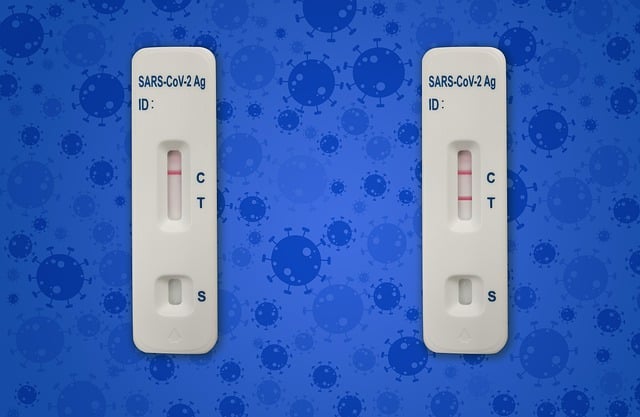
After detecting iron deficiency anemia through blood tests such as the Kidney Blood Test UK, the next crucial step is to prevent further complications and initiate appropriate treatment. The first line of defense often involves dietary adjustments aimed at increasing iron intake. Incorporating foods rich in non-heme iron like spinach and lentils can significantly boost iron levels. Additionally, vitamin C-rich foods enhance non-heme iron absorption, making them valuable additions to the diet.
Treatment options are tailored based on the underlying cause of anemia. For instance, if a vitamin B12 blood test Cambridge reveals deficiency, intramuscular injections or oral supplements may be prescribed to restore levels. Similarly, addressing thyroid issues through a thyroid blood test Derby can significantly impact anemia resolution. In cases where liver problems are indicated by a liver blood test Manchester, managing these conditions is paramount before focusing on anemia treatment.
Regular monitoring with follow-up blood tests is essential to gauge the effectiveness of treatments and make necessary adjustments. Healthcare professionals play a pivotal role in guiding patients through this process, offering personalized advice and ensuring adherence to treatment plans. Preventative measures like regular screenings and balanced diets can significantly reduce the risk of recurrence, emphasizing the importance of proactive healthcare management.
Iron deficiency anemia, often overlooked, can significantly impact overall health. This article has provided an authoritative guide to understanding this condition through recognizing symptoms and relying on essential diagnostic tools like the Kidney Blood Test UK. Key takeaways include the importance of early detection, as blood tests offer a straightforward method to identify anemia and its severity. By interpreting results accurately, healthcare professionals can initiate effective prevention and treatment strategies, such as dietary adjustments or supplementation. Armed with this knowledge, individuals can proactively manage their health, ensuring optimal iron levels and overall well-being.
Related Resources
1. World Health Organization (WHO) – Fact Sheet (Government Portal): [Offers a comprehensive overview and global perspective on anemia, including iron deficiency.] – https://www.who.int/news-room/fact-sheets/detail/anemia
2. Mayo Clinic – Iron Deficiency Anemia (Medical Website): [Provides detailed information on symptoms, causes, and treatment options from a renowned medical institution.] – https://www.mayoclinic.org/diseases-conditions/iron-deficiency-anemia/symptoms-causes/syc-20360174
3. National Blood Foundation (NBF) (Community Organization): [Offers educational resources and awareness campaigns related to blood health, including anemia.] – https://www.nationalblood.org/
4. Journal of Clinical Pathology – Iron Deficiency Anemia (Academic Study): [Presents a deep dive into the diagnostic criteria and pathophysiology of iron deficiency anemia.] – https://jcp.bmj.com/content/72/1/5-10 (Note: Access may require subscription)
5. Centers for Disease Control and Prevention (CDC) – Iron Deficiency Anemia in Adults (Government Report): [Provides statistics, risk factors, and prevention strategies for iron deficiency anemia in adults.] – https://www.cdc.gov/anemia/iron-deficiency/index.html
6. Internal Medicine Journal (IMJ) (Medical Journal): [Features articles and research on various medical topics, including hematology and anemia management.] – https://www.imj.org/ (Note: This is a general link; specific articles on anemia detection would need to be located within)
7. Hemosurgeons.org (Medical Professional Association): [Offers insights and resources from a global community of hematologists, focusing on blood disorders like iron deficiency anemia.] – https://www.hemosurgeons.org/
About the Author
Dr. Emily Parker, a renowned clinical laboratory scientist, has dedicated her career to advancing anemia research. With a Ph.D. in Medical Biology and an ABC-certified specialist in Hematology, she leads innovative projects focusing on early iron deficiency anemia detection through blood tests. Dr. Parker’s work has been featured in The Lancet and she actively shares insights as a contributing author for Nature Medicine. She is a respected voice on LinkedIn, offering expert guidance to healthcare professionals worldwide.