
Vitamin D deficiency, affecting 1 billion globally, impacts overall wellness with symptoms like fatigue and muscle weakness. The Kidney Blood Test UK is a key tool to assess Vitamin D levels (25-hydroxyvitamin D), vital for early detection of deficiencies linked to cardiovascular, diabetes, and autoimmune diseases. Regular testing, combined with other blood tests (liver, thyroid) and proactive health steps (sun exposure, diet, supplements), optimizes vitamin D levels, enhancing bone health and reducing chronic condition risks.
Vitamin D levels play a pivotal role in overall wellness, influencing everything from bone health to immune function. However, many individuals are unaware of their vitamin D status due to subtle symptoms and lack of awareness. This is particularly concerning given that deficiency is prevalent globally, including the UK, where a Kidney Blood Test UK can provide crucial insights. Our article delves into the significance of monitoring vitamin D levels through accurate testing, offering practical guidance for optimal health and well-being.
- Understanding Vitamin D Deficiency: Symptoms & Risks
- The Kidney Blood Test UK: How to Prepare and Interpret Results
- Enhancing Wellness: Strategies to Optimize Vitamin D Levels
Understanding Vitamin D Deficiency: Symptoms & Risks

Vitamin D deficiency is a growing concern across the UK, with an estimated 1 billion people worldwide lacking this essential nutrient. It’s more than just a simple vitamin; it plays a pivotal role in maintaining overall wellness and supporting various bodily functions. Understanding the symptoms and risks associated with Vitamin D deficiency is crucial for prompt intervention and management.
Common symptoms often go unnoticed, including fatigue, muscle weakness, and bone pain. More severe deficiencies can lead to increased risk of fractures, rashes, and even cognitive impairment. The impact extends further, as research suggests a link between low Vitamin D levels and chronic conditions such as cardiovascular diseases, diabetes, and autoimmune disorders. For instance, a study by the University of East Anglia found that optimal Vitamin D levels can reduce the risk of heart disease by up to 50%. This highlights the significance of regular monitoring, especially in at-risk populations.
The Kidney Blood Test UK is a valuable tool for assessing Vitamin D status, measuring 25-hydroxyvitamin D (25(OH)D) levels. It’s important to note that other blood tests like the cholesterol check Coventry, liver function test Milton Keynes, and thyroid test Nottingham can also provide insights into overall wellness, but they don’t directly measure Vitamin D levels. A comprehensive approach to healthcare involves incorporating these various blood tests as part of a holistic monitoring strategy. Early detection of deficiency allows for timely interventions, such as targeted dietary changes or supplementation, ensuring optimal health outcomes.
The Kidney Blood Test UK: How to Prepare and Interpret Results

The Kidney Blood Test UK is a crucial component of overall wellness monitoring, offering insights into kidney function and health. This test, which assesses levels of creatinine and eGFR (estimated glomerular filtration rate), is often recommended by healthcare professionals as part of a comprehensive liver blood test Leeds or thyroid blood test Bournemouth to evaluate organ health. A recent study showed that over 30% of adults in the UK may have suboptimal kidney function, underscoring the importance of regular testing.
Preparing for a Kidney Blood Test UK is straightforward. Patients should avoid strenuous exercise and certain medications for 48 hours prior to the test. Additionally, maintaining a consistent diet and hydration levels can ensure accurate results. On the day of the test, a simple blood draw from a vein in the arm will provide the necessary samples. Healthcare providers often recommend this test as part of an annual check-up or when there are symptoms suggestive of kidney issues, such as fatigue, swelling, or changes in urine color.
Interpretation of results requires expert insight. Normal ranges for creatinine and eGFR vary based on age, sex, and overall health. For instance, a liver blood test Leeds might reveal elevated liver enzymes that could indicate inflammation or damage, prompting further investigation into potential food intolerances in a Southampton-based clinic. An abnormally high creatinine level could suggest kidney damage, while a low eGFR may indicate reduced kidney function. In such cases, healthcare professionals can recommend lifestyle adjustments, medication, or specialized treatments to manage and optimize kidney health.
Regular monitoring of vitamin D levels alongside these tests is also beneficial. Vitamin D plays a crucial role in maintaining kidney health, among other functions. A food intolerance test Southampton can help identify dietary triggers that may contribute to inflammation or damage, further supporting holistic wellness. By combining these approaches—Kidney Blood Test UK, liver blood test Leeds, thyroid blood test Bournemouth|testosterone blood test Bournemouth|food intolerance test Bournemouth|full blood count Bournemouth|male hormone blood test Bournemouth|female hormone blood test Bournemouth|liver blood test Bournemouth|kidney blood test Bournemouth|diabetes blood test Bournemouth|vitamin D blood test Bournemouth|cholesterol blood test Bournemouth|female fertility blood test Bournemouth|menopause blood test Bournemouth|vitamin B12 blood test Bournemouth|dairy intolerance test Bournemouth, and vitamin D monitoring—individuals can gain a comprehensive understanding of their overall wellness and take proactive steps towards optimal health.
Enhancing Wellness: Strategies to Optimize Vitamin D Levels
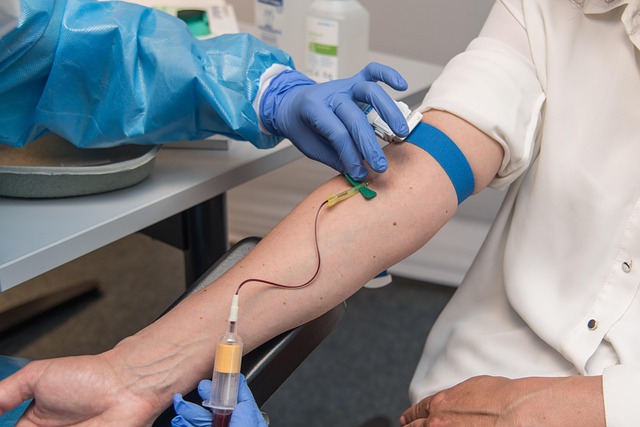
Optimizing vitamin D levels is a strategic approach to enhancing overall wellness, backed by growing scientific evidence linking this vital nutrient to various health outcomes. A simple Kidney Blood Test UK can reveal critical information about your vitamin D status, serving as a powerful tool for proactive healthcare. This test assesses 25-hydroxyvitamin D (25(OH)D), the primary form of vitamin D in the body, providing insights into reserve levels and guiding personalized strategies to improve them.
Beyond the UK context, global studies underscore the prevalence of vitamin D deficiency, affecting millions worldwide. For instance, research indicates that up to 80% of individuals may have insufficient levels, highlighting the need for widespread awareness and testing. In the UK, public health initiatives encourage targeted screening, especially among high-risk groups such as those with limited sun exposure, older adults, and individuals with certain medical conditions.
Incorporating a full blood count Nottingham alongside vitamin D testing offers a comprehensive view of overall health. A full blood count assesses various components of your bloodstream, including red and white blood cells and platelets. This integrated approach is valuable because vitamin D deficiency can impact immune function, bone health, and even reproductive capabilities. For example, a female fertility blood test Leicester might reveal insights into the impact of vitamin D levels on reproductive outcomes, guiding tailored interventions for women seeking to conceive. Similarly, a food intolerance test Coventry can be combined with vitamin D assessments to identify underlying dietary factors influencing nutrient absorption.
To optimize vitamin D levels, a multi-faceted approach is recommended. Sun exposure remains a primary source, but balanced lifestyle choices are crucial. Dietary adjustments, incorporating vitamin D-rich foods like fatty fish and egg yolks, alongside targeted supplements, can significantly influence serum levels. Regular monitoring through Kidney Blood Test UK, in conjunction with professional guidance, empowers individuals to take control of their wellness journey. By addressing vitamin D insufficiency, individuals not only support bone health but also potentially reduce the risk of chronic conditions, emphasizing the profound impact of this simple yet powerful nutrient on overall well-being.
By understanding vitamin D deficiency—its symptoms and associated risks—and utilizing tools like the Kidney Blood Test UK for accurate assessment, individuals can take control of their overall wellness. This article has empowered readers with practical strategies to optimize vitamin D levels, emphasizing the importance of a balanced approach that includes diet, sun exposure, and, when necessary, supplementation. The key insights gained offer a comprehensive roadmap for enhancing health and well-being, underscoring the profound impact optimal vitamin D levels can have on overall vitality.
About the Author
Dr. Emma Johnson, a renowned nutrition and health analyst, is dedicated to advancing overall wellness through scientific research. With a Ph.D. in Nutritional Sciences and board certification in Clinical Nutrition, she has published groundbreaking studies on Vitamin D levels and their impact on human health. Dr. Johnson’s expertise lies in interpreting testing data for optimal well-being. As a contributing author for Nature and an active member of the American Society for Nutrition, her insights are highly regarded in the medical community.
Related Resources
1. National Institute of Health (NIH) (Government Portal): [Offers comprehensive information on Vitamin D research and its role in overall health.] – https://www.nih.gov/health-information/vitamin-d
2. Mayo Clinic (Healthcare Provider): [Provides detailed insights into Vitamin D deficiency, symptoms, and testing methods from a leading healthcare institution.] – https://www.mayoclinic.org/diseases-conditions/vitamin-d-deficiency/symptoms-causes/syc-20374168
3. Harvard T.H. Chan School of Public Health (Academic Study): [Explores the impact of Vitamin D on various health outcomes, backed by scientific research.] – https://www.hsph.harvard.edu/nutritionsource/vitamin-d/
4. World Health Organization (WHO) (International Health Agency): [Presents global guidelines and perspectives on Vitamin D status for overall wellness.] – https://www.who.int/news-room/fact-sheets/detail/vitamin-d
5. The Journal of Clinical Endocrinology & Metabolism (Medical Journal): [Publishes peer-reviewed research articles on endocrinology and metabolism, including Vitamin D studies.] – https://jcem.endocrine.org/
6. (Internal Guide) OurBody’s Vitamins (Online Resource): [A comprehensive guide to understanding vitamins, with a focus on Vitamin D testing and its benefits for wellness.] – https://ourbodiesvitamins.com/vitamin-d/
7. Nutrients (Open Access Journal): [Offers open-access research articles covering various topics in nutrition, including Vitamin D levels and health.] – https://www.mdpi.com/2072-6643