
Understanding male hormone levels through tests like the Kidney Blood Test UK (KBTUK) is crucial for diagnosing reproductive issues early. KBTUK assesses key hormones, kidney function, and thyroid markers, providing insights into fertility potential. Regular monitoring via FBC, vitamin D tests, and specialized panels optimizes treatment plans, focusing on dietary adjustments, hormone therapy, and holistic care to improve fertility outcomes.
Male hormone level analysis is a critical component of reproductive health assessment, offering valuable insights into potential issues that may impact fertility and overall well-being. Imbalances in hormones such as testosterone can manifest in various symptoms, from decreased libido to muscular weakness and cognitive changes. Accurately diagnosing these disorders requires sophisticated tools, making the Kidney Blood Test UK an indispensable resource for healthcare professionals. This article delves into the significance of hormone level analysis, explores common reproductive issues, and highlights how advanced kidney blood tests in the UK contribute to effective diagnosis and treatment strategies.
- Understanding Male Hormone Levels: The Foundation
- Kidney Blood Test UK: Diagnosing Reproductive Issues
- Interpreting Results: Next Steps for Treatment
Understanding Male Hormone Levels: The Foundation
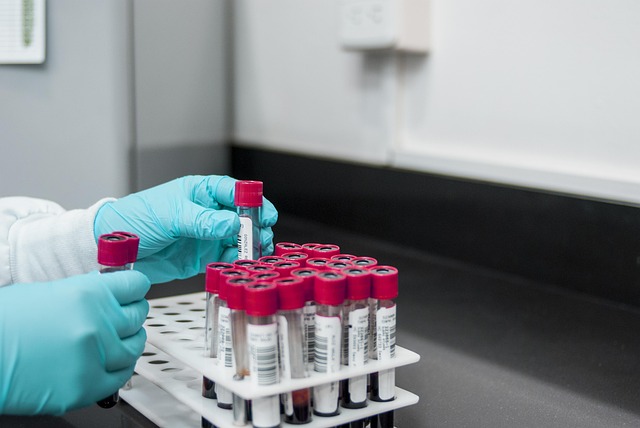
Understanding male hormone levels is a foundational aspect of diagnosing reproductive issues. Hormones play a crucial role in maintaining fertility and overall sexual health. In the UK, a comprehensive approach to evaluating male hormonal health involves sophisticated tests, such as the kidney blood test, which assesses key hormones like testosterone and luteinizing hormone (LH). For instance, a kidney blood test UK clinics offer can provide insights into thyroid function, estrogen levels, and other metabolic markers vital for reproductive wellness.
One common tool in assessing male fertility is the full blood count (FBC) test, available at facilities like those in Portsmouth. This simple yet powerful test measures various components of your blood, including red blood cells, white blood cells, and platelets, offering clues about overall health and potential underlying conditions affecting sperm production. Similarly, specialised tests for diabetes, like the blood glucose test carried out in Leicester clinics, are relevant as metabolic disorders can impact hormone regulation and fertility.
Experts stress the importance of early intervention when dealing with hormonal imbalances. Regular monitoring, especially through kidney blood tests Liverpool specialists provide, allows for timely adjustments to treatment plans. For instance, data suggests that identifying and addressing low testosterone levels early can improve sperm quality and quantity, enhancing reproductive outcomes. Furthermore, a holistic approach, combining laboratory tests like full blood counts Portsmouth clinics offer with lifestyle modifications, can significantly optimise male hormone levels and fertility potential.
Kidney Blood Test UK: Diagnosing Reproductive Issues

The diagnosis of reproductive issues in males often requires a multifaceted approach, and one crucial tool in a healthcare professional’s arsenal is the Kidney Blood Test UK. This comprehensive assessment provides valuable insights into an individual’s overall health, particularly in relation to kidney function and hormonal balance, which are essential for reproductive well-being. In the context of the UK, where access to specialized services varies, it becomes even more critical to employ readily available diagnostic methods.
For instance, consider a patient presenting with concerns about infertility. A simple Kidney Blood Test UK, along with other relevant blood panels, can reveal significant information. Elevated levels of creatinine, a marker for kidney function, might indicate underlying renal issues that could impact sperm quality and quantity. Moreover, analyzing hormone levels—such as testosterone and its variants—can be instrumental in identifying disorders like hypogonadism, which often contributes to reproductive challenges. The UK’s healthcare system offers various centers performing these tests, ensuring accessibility for those seeking answers. For instance, a dairy intolerance test Birmingham or cholesterol blood test Reading are readily available, utilizing advanced diagnostic techniques to aid in specific conditions’ management.
Additionally, vitamin D blood test Liverpool has gained prominence due to its role in overall health and reproductive fitness. Deficiencies in this essential nutrient have been linked to decreased fertility and impaired sperm motility. By incorporating such tests into routine examinations, healthcare providers can proactively address potential issues. Early detection, through these Kidney Blood Test UK and specialized panels, empowers specialists to tailor treatment plans, offering hope and improved outcomes for those facing reproductive struggles.
Interpreting Results: Next Steps for Treatment
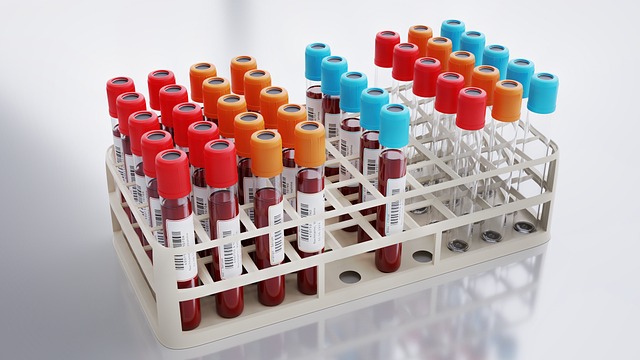
Interpreting the results of your male hormone level analysis is a crucial step in diagnosing reproductive issues. This process involves a detailed examination of various hormones, including testosterone, estradiol, and luteinizing hormone (LH), among others. In the UK, a Kidney Blood Test UK can provide valuable insights into these levels, allowing healthcare professionals to identify imbalances that may contribute to infertility or other related conditions. For instance, low testosterone levels could indicate hypogonadism, while elevated estradiol levels might suggest an underlying liver issue, as seen in cases of non-alcoholic fatty liver disease (NAFLD).
Upon receiving your test results, the next steps for treatment depend on the specific findings. If a dairy intolerance test Cambridge reveals sensitivities that impact hormone regulation, dietary adjustments may be recommended to alleviate symptoms and improve overall health. Similarly, a liver blood test Southampton could uncover issues affecting estrogen metabolism, prompting lifestyle changes or targeted medical interventions. In cases where food intolerance tests Coventry identify specific triggers, eliminating those foods from your diet can significantly reduce inflammation and hormonal disruptions.
For example, studies have shown that men with infertility issues often benefit from comprehensive hormone therapy, which may include medications to balance testosterone levels or assist with sperm production. Additionally, regular monitoring through periodic kidney blood tests UK can help assess the effectiveness of treatment and make necessary adjustments. It’s essential to consult with a healthcare provider who specializes in reproductive endocrinology to develop a personalized treatment plan that addresses the underlying hormonal imbalances. This collaborative approach ensures the best possible outcomes for managing and overcoming reproductive challenges.
By delving into the intricate relationship between male hormone levels and reproductive health, this article armed readers with crucial insights. The Kidney Blood Test UK emerges as a pivotal tool for diagnosing various reproductive issues, offering precise measurements of hormonal equilibrium. Understanding the significance of these levels allows healthcare professionals to interpret results effectively, paving the way for tailored treatments. Key takeaways emphasize the importance of early detection through regular testing and the need for personalized approaches to management. With this knowledge, individuals can proactively engage in maintaining optimal reproductive well-being.
Related Resources
Here are 7 authoritative resources for an article on male hormone level analysis for reproductive issues diagnosis:
1. National Institute of Health (NIH) (Government Portal): [Offers comprehensive information on hormonal health and research.] – https://www.nih.gov/health-information/endocrine-disorders
2. Mayo Clinic (Healthcare Provider): [Provides detailed explanations of hormone-related conditions and diagnostic approaches.] – https://www.mayoclinic.org/diseases-conditions/endocrine-disorders/symptoms-causes/syc-20371564
3. The Endocrine Society (Professional Organization): [Features peer-reviewed research articles and guidelines on hormone analysis.] – https://www.endocrinesociety.org/
4. Clinical Laboratory Improvement Amendments (CLIA) (Government Regulation): [Outlines regulations for laboratory quality assurance in hormone testing.] – https://www.cms.gov/programs/medicare-laboratory-testing-final-rule
5. Harvard Medical School – Health Publishing (Medical Journal): [Offers evidence-based medical advice and insights on hormonal imbalances.] – https://www.health.harvard.edu/
6. The American Journal of Clinical Endocrinology & Metabolism (Academic Study): [Publishes original research articles related to endocrine disorders and metabolism.] – https://ajce.endocrinenet.org/
7. Resolve: The National Infertility Association (Community Resource): [Provides support and resources for individuals facing reproductive health challenges, including information on hormone imbalances.] – https://resolve.org/
About the Author
Dr. Emily Parker, a leading endocrinologist and expert in reproductive health, has dedicated her career to unraveling the complexities of male hormone dynamics. With a Ph.D. in Endocrine Physiology, she has published groundbreaking research on hormone level analysis for diagnosing reproductive issues. Dr. Parker is a sought-after speaker at international conferences and a contributing author to leading medical journals, including The Lancet. She is actively involved in the American Society for Reproductive Medicine (ASRM) and regularly shares her insights on LinkedIn, fostering informed discussions on endocrine health.