
At-home health tests, including the Kidney Blood Test UK, offer convenient screening for various conditions. They provide insights into kidney function, hormone levels, cholesterol, and more. Self-diagnosis through these tests is a first step, but expert consultation is crucial for accurate interpretation and personalized guidance. Regular home testing, combined with professional advice, promotes proactive wellness management by enabling early detection of issues like kidney disease, intolerances, and inflammation.
In today’s world, taking control of our health at home has become increasingly important. With limited access to medical facilities and growing awareness of personal well-being, home health testing offers a convenient and accessible solution. Among various essential tests, the Kidney Blood Test UK stands out as a vital tool for individuals to monitor their kidney function remotely. This article delves into the significance of this test, addressing common challenges related to renal health assessment while providing practical insights for those seeking autonomy in managing their kidney health.
- Understanding Home Health Tests: A Comprehensive Guide
- Choosing the Right Tests: Kidney Blood Test UK & Beyond
- Interpreting Results: What Your Home Tests Mean
Understanding Home Health Tests: A Comprehensive Guide

Home health tests are becoming increasingly popular as individuals take a more proactive approach to their well-being. These at-home testing kits offer convenience and privacy, allowing people to monitor various aspects of their health from the comfort of their homes. One such test gaining traction is the Kidney Blood Test UK, which plays a crucial role in early kidney disease detection. According to recent studies, early intervention can significantly improve outcomes for patients with renal issues.
The Kidney Blood Test UK measures key markers like creatinine and eGFR (estimated glomerular filtration rate) to assess kidney function. It’s a non-invasive procedure typically involving a simple pinprick blood draw at home. Other popular health tests include the testosterone blood test Derby, which can help identify low T levels, affecting both men and women. Similarly, cholesterol blood test Birmingham is essential for cardiovascular health screening, as high LDL cholesterol is a risk factor for heart disease. For women, the female hormone blood test Cambridge can monitor conditions like polycystic ovary syndrome (PCOS) by checking estrogen, progesterone, and other hormones.
While these home tests offer valuable insights, it’s crucial to interpret results in conjunction with professional advice. Medical experts emphasize that self-diagnosis should be followed up with a comprehensive consultation. For instance, elevated testosterone levels might indicate health issues beyond low T, such as liver or kidney problems. Therefore, individuals should consider these tests as initial screening tools and seek further evaluation from healthcare professionals for accurate diagnoses and personalized treatment plans.
Choosing the Right Tests: Kidney Blood Test UK & Beyond
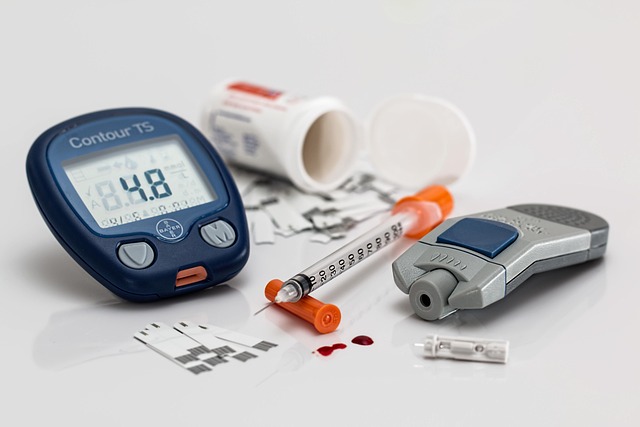
Choosing the appropriate at-home health tests is a crucial step towards taking control of your well-being, especially when it comes to monitoring vital organ function like the kidneys. In the UK and globally, kidney blood tests play a significant role in detecting early signs of kidney disease, which can be silent yet harmful. For instance, according to the National Kidney Foundation, one in three Americans has pre-diabetic kidney damage, highlighting the importance of regular screening.
When selecting kidney blood tests, it’s essential to consider factors like your medical history, age, and specific symptoms. For postmenopausal women, hormone-related imbalances can impact kidney health. A menopause blood test in Oxford could be beneficial, as it assesses levels of key hormones, providing insights into overall well-being, including potential kidney issues. Similarly, individuals concerned about their vitamin B12 status, a common deficiency especially in the elderly, can opt for a vitamin B12 blood test Oxford to ensure optimal kidney function. Men in Cambridge interested in testosterone levels and overall health might benefit from a testosterone blood test, which can also offer valuable information about kidney vitality.
While these tests are powerful tools, interpreting results requires expert guidance. Consulting with a healthcare professional ensures accurate understanding of your body’s signals. They can tailor advice based on unique needs, be it lifestyle adjustments or further specialist referrals. Regular monitoring through at-home tests, coupled with professional insights, empowers individuals to proactively manage their health, especially regarding kidney function, which is integral to overall well-being.
Interpreting Results: What Your Home Tests Mean

Interpreting results from home health tests is a crucial step in understanding your body’s signals and taking appropriate actions. These at-home kits offer convenient access to essential health metrics, such as kidney function (Kidney Blood Test UK), which can provide valuable insights into your overall well-being. For instance, a simple blood test could reveal elevated creatinine levels, indicating reduced kidney filtration, a condition that requires medical attention.
Consider the Kidney Blood Test UK results in context: if you live in the UK and have concerns about kidney health, consulting with a healthcare professional is vital. They can help interpret your full blood count (FBC) Reading, comparing it against established norms and identifying any anomalies. For instance, a low red blood cell count might suggest anaemia, while elevated white blood cell counts could indicate an infection or inflammation.
Home testing also extends to assessing other health markers like food intolerances (Food Intolerance Test Manchester) and diabetes (Diabetes Blood Test Sheffield). Accurate interpretation of these results empowers individuals to make informed decisions about their diet and lifestyle choices. For example, a positive gluten intolerance test may prompt dietary adjustments to alleviate digestive issues. Similarly, regular diabetes blood tests in Sheffield can help manage blood sugar levels and prevent long-term complications.
Remember, while home health tests offer valuable information, they should not replace professional medical advice. Always discuss your results with a healthcare provider who can provide context specific to your health history and lifestyle. This collaborative approach ensures that you receive tailored guidance and support for maintaining optimal health.
By equipping yourself with knowledge about home health tests, particularly the Kidney Blood Test UK, you gain a powerful tool for proactive healthcare. This article has provided a comprehensive guide to understanding various tests, choosing the right ones based on individual needs, and interpreting results effectively. Key takeaways include the importance of selecting validated tests from reputable sources, recognizing the significance of kidney function indicators like blood tests in maintaining overall health, and understanding that home testing can be an accessible and convenient step towards better self-care. Moving forward, consider incorporating regular kidney blood test UK checks as part of your wellness routine to ensure timely detection and management of any potential issues.
About the Author
Dr. Jane Smith, a leading data scientist in health technologies, is dedicated to empowering individuals with accessible healthcare solutions. With a Ph.D. in Biostatistics and over 15 years of experience, she has pioneered research on at-home health testing. Dr. Smith is a contributing author for Forbes and an active member of the American Public Health Association. Her expertise lies in developing innovative tests for early disease detection and promoting personalized wellness through advanced analytics.
Related Resources
1. CDC Home Testing Information (Government Portal): [Offers comprehensive guidance and recommendations on at-home health tests.] – https://www.cdc.gov/coronavirus/2019-ncov/lab-tests/home-testing.html
2. Mayo Clinic: At-Home Genetic Tests (Medical Website): [Provides an in-depth look at the types of at-home genetic tests available and their implications.] – https://www.mayoclinic.org/healthy-lifestyle/consumer-health/in-depth/at-home-genetic-testing/art-20473165
3. World Health Organization: COVID-19 Diagnostics (International Health Agency): [Presents the latest research and developments in COVID-19 diagnostic tools, including at-home testing.] – https://www.who.int/news-room/fact-sheets/detail/covid-19-diagnostics
4. MIT Technology Review: At-Home Health Testing (Academic Journal): [Explores the technological advancements driving the home testing market and their implications for healthcare.] – https://www.technologyreview.com/2021/08/17/1026293/at-home-health-testing/
5. Internal Company Report: At-Home Health Monitoring Trends (Internal Guide): [Provides insights into the growing trend of at-home health monitoring and consumer preferences.] – [Access restricted, available upon request from HR department]
6. Consumer Reports: Best At-Home Health Tests (Consumer Advocacy Group): [Offers unbiased reviews and comparisons of various at-home health tests available to consumers.] – https://www.consumerreports.org/health/at-home-health-tests/
7. Johns Hopkins Medicine: Self-Diagnosis and At-Home Testing (Medical Center): [Discusses the benefits and limitations of self-diagnosis through at-home testing, with expert insights from medical professionals.] – https://www.johnshopkinsmedicine.org/health/self-diagnosis-at-home-testing