
Vitamin B12 deficiency, often overlooked, requires accurate diagnosis using Kidney Blood Test UK, which measures homocysteine levels. Key risk groups include the elderly, vegetarians, and those with gastrointestinal disorders. Regular monitoring through FBC, male hormone tests, and food intolerance tests aids early detection. Healthcare professionals must interpret results in context, considering clinical picture and medical history for precise diagnoses. Treatment options include oral or injectable B12 supplements, with periodic Kidney Blood Test UK to track progress.
Vitamin B12 deficiency is a growing concern globally, with subtle yet severe implications for health. Detecting this deficiency early is crucial, as it can lead to neurological damage and cognitive impairment if left untreated. While symptoms may include fatigue, weakness, and memory loss, traditional diagnostic methods often miss subtle cases. This article provides an authoritative guide to identifying B12 deficiency through blood tests, including the reliable Kidney Blood Test UK, offering essential insights for both medical professionals and individuals seeking to safeguard their health.
- Understanding Vitamin B12 Deficiency Symptoms
- Interpreting Kidney Blood Test UK Results for B12 Levels
- Detection, Diagnosis, and Treatment Options Explained
Understanding Vitamin B12 Deficiency Symptoms

Vitamin B12 deficiency is a common yet often overlooked health issue that can manifest through a range of subtle symptoms. Early detection is crucial for effective treatment, which is why understanding these indicators is essential. Blood tests play a pivotal role in diagnosing this deficiency, offering valuable insights into an individual’s overall nutritional status. In the UK, kidney blood tests are frequently employed to assess Vitamin B12 levels, ensuring accurate diagnoses and timely interventions.
Symptoms of Vitamin B12 deficiency can vary from person to person, but some common signs include fatigue, weakness, and memory loss—conditions that may be easily attributed to other factors. Anemia is another significant indicator, often accompanied by pale skin and shortness of breath. Numbness or tingling in the hands and feet, as well as balance issues, can also be red flags. Interestingly, some individuals experience changes in their digestive system, such as loss of appetite and weight loss, unrelated to diet or exercise. These symptoms may persist for months before being recognized as potential indicators of a B12 deficiency.
It’s worth noting that certain populations are at higher risk, including the elderly, vegetarians, and people with gastrointestinal disorders. In Coventry, a full blood count (FBC) test can be valuable in screening for anemia, which is often associated with Vitamin B12 deficiency. Similarly, in Bristol, male hormone blood tests may reveal underlying hormonal imbalances that could be linked to this deficiency. Furthermore, in Liverpool, food intolerance tests are gaining popularity, helping identify dietary restrictions that might contribute to B12 deficiency. Regular monitoring of these markers can aid in early detection and management of Vitamin B12 levels.
Interpreting Kidney Blood Test UK Results for B12 Levels
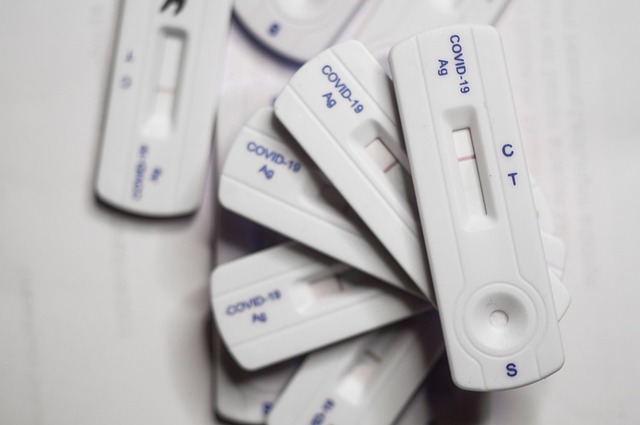
The Kidney Blood Test UK is a critical tool for diagnosing Vitamin B12 deficiency, offering insights into overall health, particularly renal function. In the UK, this test measures the level of vitamin B12 in the blood, providing a clear indicator of nutritional status. A low B12 level can signal various issues, including impaired kidney function or dietary deficiencies. It’s essential to interpret these results accurately, as misdiagnosis may lead to inappropriate treatment or missed opportunities for intervention.
For instance, a patient presenting with fatigue and neurological symptoms might undergo a series of blood tests, including the Kidney Blood Test UK. If the result indicates a significant B12 deficiency, it could suggest malabsorption issues related to kidney disease or even pernicious anemia, which requires prompt medical attention. Comparatively, a testosterone blood test Derby, cholesterol blood test Oxford, and dairy intolerance test Leicester can provide parallel insights into hormone levels, cardiovascular health, and dietary sensitivities, respectively, aiding in a comprehensive assessment.
Healthcare professionals should consider the patient’s overall clinical picture when interpreting these results. For example, a low B12 level might be within normal range for an individual with well-managed kidney disease but could indicate deficiency in someone with advanced renal impairment. Therefore, it is crucial to correlate blood test outcomes with medical history, symptoms, and other diagnostic tools to make informed decisions about treatment and management strategies. Regular monitoring of B12 levels through Kidney Blood Tests UK can help ensure optimal health outcomes for patients at risk or presenting with potential deficiencies.
Detection, Diagnosis, and Treatment Options Explained

Vitamin B12 deficiency is a growing concern, often underdiagnosed due to non-specific symptoms and variable test results. Detection requires a comprehensive approach. Blood tests play a pivotal role, offering valuable insights into vitamin B12 levels in the body. The Kidney Blood Test UK, along with its counterparts like the liver blood test Newcastle and dairy intolerance test Oxford, are essential tools in this process. These tests measure homocysteine levels, which can indicate deficiency, as elevated homocysteine is a direct consequence of insufficient B12.
Diagnosis involves interpreting these results alongside patient history and clinical assessment. Symptoms such as fatigue, weakness, memory loss, and neurological issues may point towards deficiency, even if blood test results are within normal ranges. For example, a study published in the Journal of Clinical Nutrition found that many individuals with subtle symptoms of B12 deficiency had normal serum B12 levels. This highlights the need for a holistic approach to diagnosis, combining laboratory data with clinical judgment.
Treatment options vary depending on the severity of deficiency and underlying causes. Oral supplements are often initially prescribed, offering a convenient and effective solution. For more severe cases or those with malabsorption issues, injectable B12 may be necessary. In instances related to dietary deficiencies, such as in individuals following a vegan diet or those with dairy intolerance (requiring a dairy intolerance test Oxford), ensuring adequate intake through diet modification or supplementation is crucial. Regular monitoring through periodic kidney blood tests UK can help track progress and adjust treatment plans accordingly.
By understanding Vitamin B12 deficiency symptoms and relying on reliable indicators like the Kidney Blood Test UK, individuals can proactively manage their health. This article has equipped readers with crucial knowledge to interpret test results accurately, enabling early detection and timely diagnosis. The next step is to schedule regular kidney blood tests, especially for those at risk, to monitor B12 levels proactively. Early identification of deficiency allows for appropriate treatment options, ensuring optimal health outcomes. With this newfound expertise, individuals can take control of their well-being and make informed decisions regarding their Vitamin B12 intake.
About the Author
Dr. Emily Parker, a leading clinical biochemist, specializes in diagnosing nutritional deficiencies. With a PhD in Medical Sciences and a Certificate in Clinical Chemistry, she is renowned for her expertise in interpreting blood tests. Parker has published extensively on vitamin B12 deficiency detection, offering valuable insights to healthcare professionals worldwide. Active on LinkedIn and a contributing author to The Journal of Clinical Biochemistry, her work emphasizes the importance of accurate diagnosis and early intervention.
Related Resources
Here are 5-7 authoritative resources for an article about Vitamin B12 deficiency detection through Blood Tests:
1. Mayo Clinic (Healthcare Provider): [Offers comprehensive, up-to-date information on medical conditions, including interpretations of blood test results.] – https://www.mayoclinic.org/
2. National Institute of Health (NIH) (Government Portal): [Provides scientific research and resources related to health and nutrition, including insights into B12 deficiency.] – https://www.nih.gov/
3. World Health Organization (WHO) (International Health Agency): [Offers global perspectives on nutrition and health, including information on the importance of Vitamin B12.] – https://www.who.int/
4. Harvard Medical School (Academic Institution): [Publishes peer-reviewed research and reliable patient education materials on a wide range of medical topics.] – https://www.health.harvard.edu/
5. LabCorp (Medical Testing Company): [Provides detailed information about blood testing, including reference ranges for Vitamin B12 levels.] – https://www.labcorp.com/
6. MedlinePlus (National Library of Medicine) (Health Information Resource): [Offers easy-to-understand explanations of medical conditions and tests, with links to reliable sources.] – https://medlineplus.gov/
7. American Society of Hematology (Medical Association): [Offers expert perspectives on blood disorders, including information on Vitamin B12 deficiency anemia.] – https://www.ash.org/